
The shirt guide: collars, materials and fit for men
A guide to men's shirts: the four measurements that decide the fit, collars and cuffs, poplin, twill, herringbone, linen and denim - and the three shirts a wardrobe starts with. Made-to-measure shirts from our own collection.
House of Vinterberg · · 4 min read
The shirt is the garment men own the most of and think about the least - until the day the collar tightens, the sleeve is too short, and the shirt creeps out of the trousers in the middle of a meeting. This is our shirt guide: the four measurements that decide whether a shirt fits, collars and cuffs, the materials from poplin to linen, and the three shirts a wardrobe starts with. We make shirts to measure and keep premium shirts in stock.
The four measurements that decide the fit
The collar: buttoned, there should be room for one finger between collar and neck - neither two nor none.
The shoulder: the seam should sit exactly where the shoulder breaks; further out, the shirt looks borrowed.
The sleeve: the cuff ends at the wrist bone and shows half a centimetre below the jacket sleeve.
The length: the shirt should stay in the trousers when you raise your arms, which takes about a hand's width below the waistband.
Standard sizes rarely hit all four; that is the whole point of the fitting.
The collar
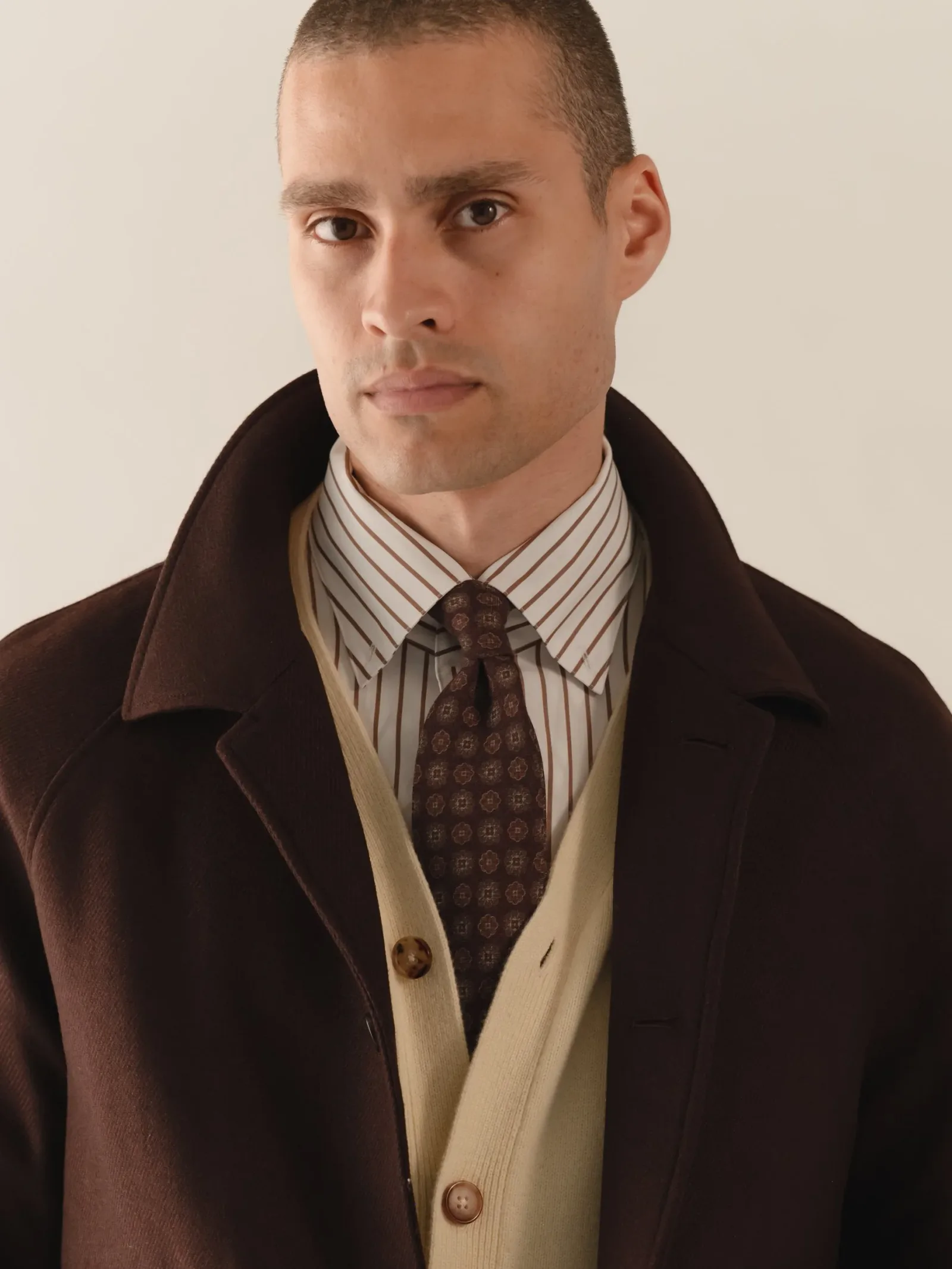
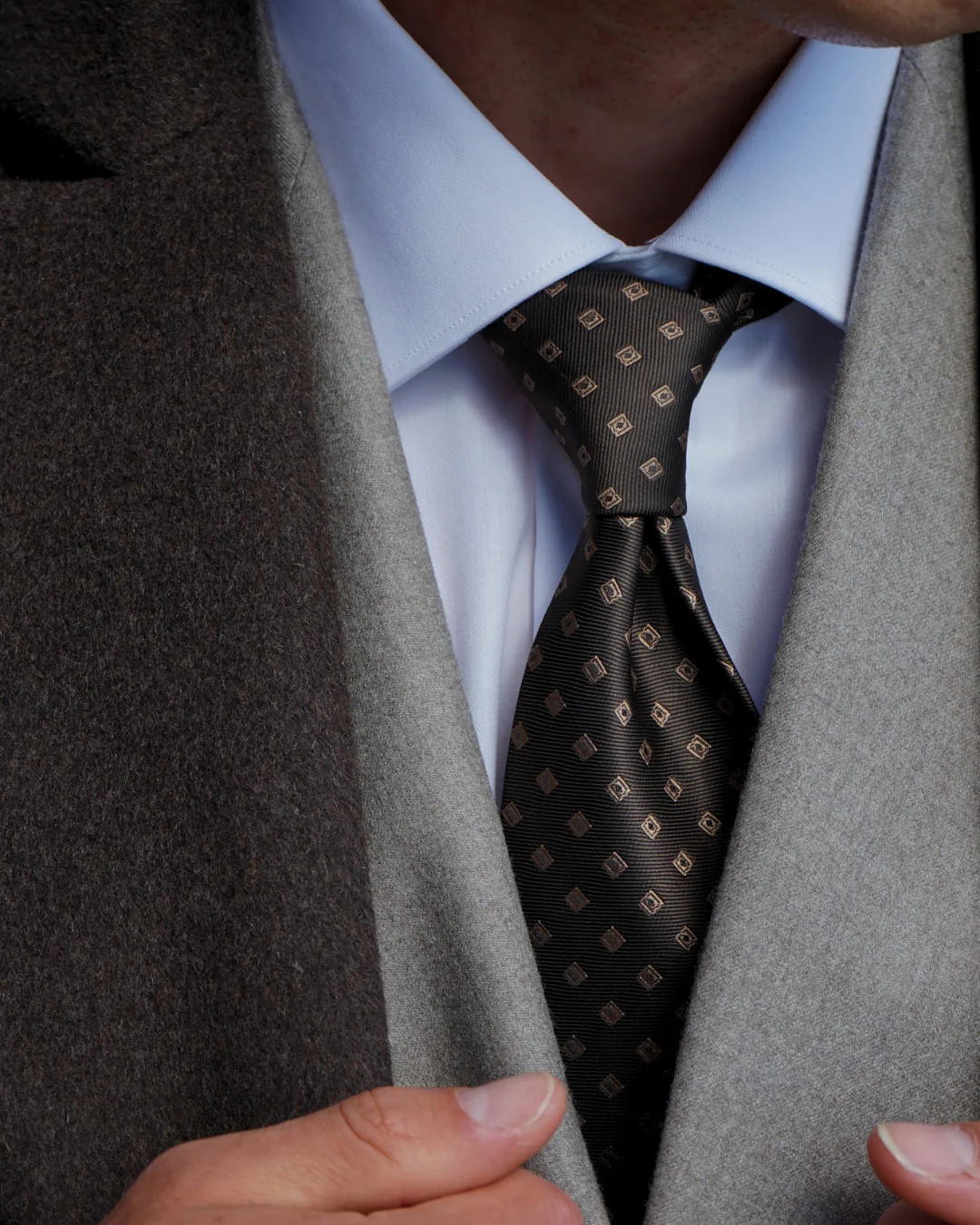
The collar is the shirt's face, and it is chosen by two things: the shape of your face and whether a tie goes in it. The classic collar with a moderate spread carries both a tie and an open neck and is the safe choice for the first shirt. A wider collar opens a narrow face and makes room for a larger tie knot; a narrower one gathers a broad face. The mandarin collar - the low stand collar without points - belongs to the linen shirt and summer, and the camp collar, which lies open without a button at the neck, to the loose shirt worn untucked. The collar is settled in the Showroom, where your designer sees it on you rather than guessing.
The cuff
A single cuff with a button for every day and the office; a double cuff for the shirt that will carry cufflinks at weddings and black tie. The cuff should sit close enough to stay at the wrist when the arm is raised, and loose enough for a watch underneath. It is one of the measurements most often wrong in a standard shirt, and one of the easier ones to cut right.
The materials: from poplin to linen
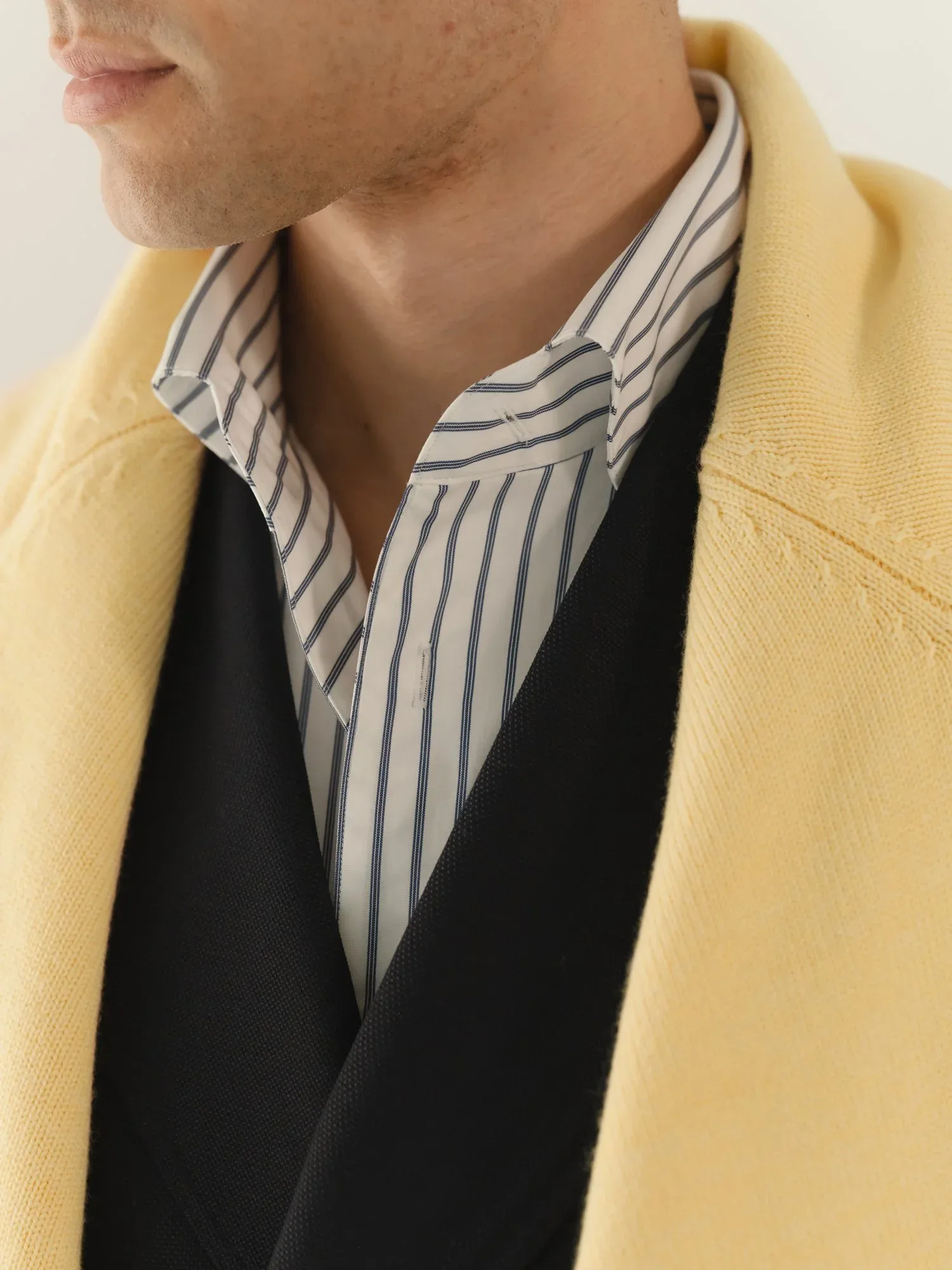
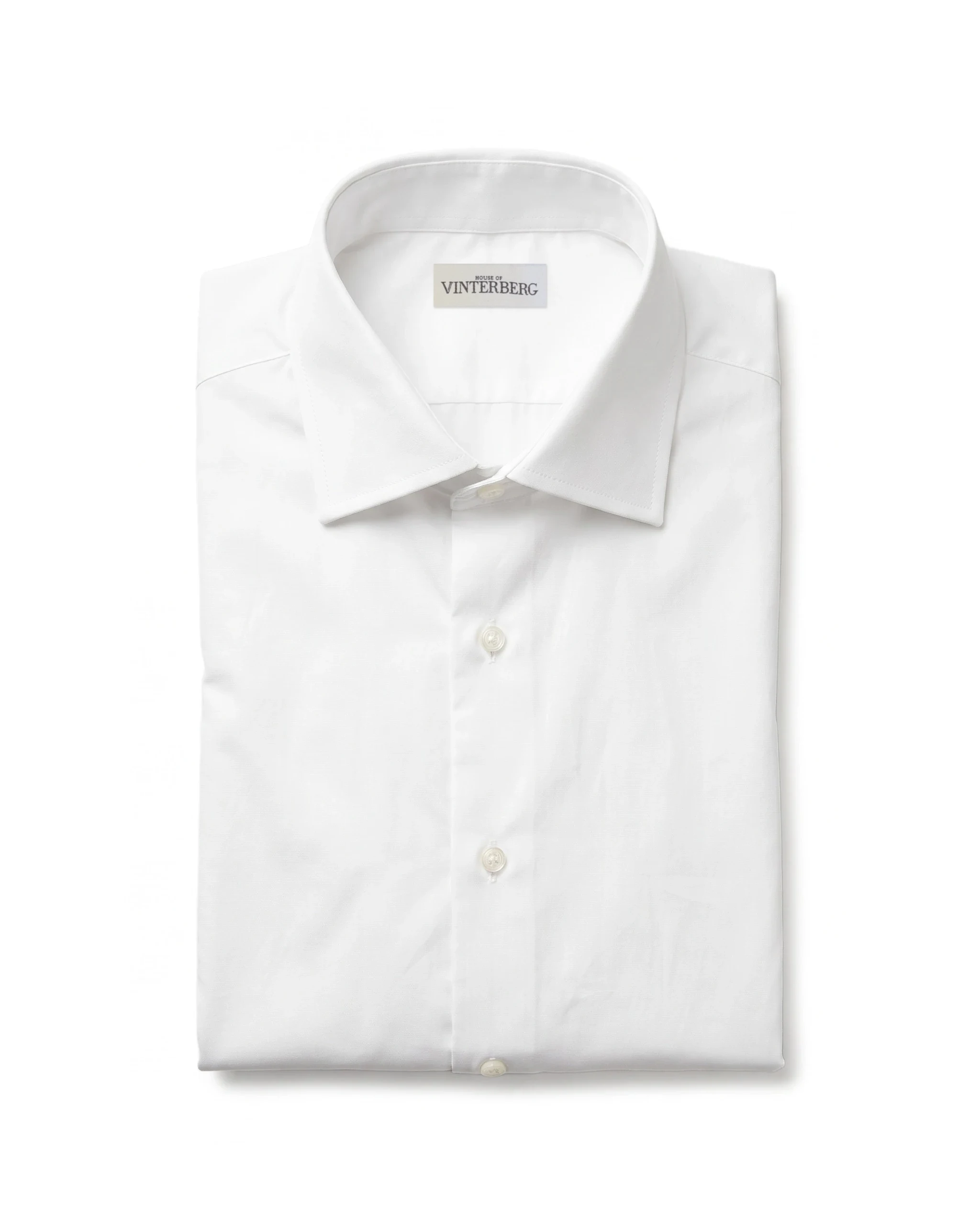
Poplin is the smooth, light cotton for the formal shirt; it irons easily and looks sharp under a suit. Twill is woven diagonally and feels softer and heavier - it is our recommendation for the white shirt that will be worn every week, because it takes wash after wash without losing its surface. Herringbone and pinstripe give texture and drawing without being patterned, and they suit grey and navy suits. Our white shirt guide goes deeper into the one shirt everyone needs.
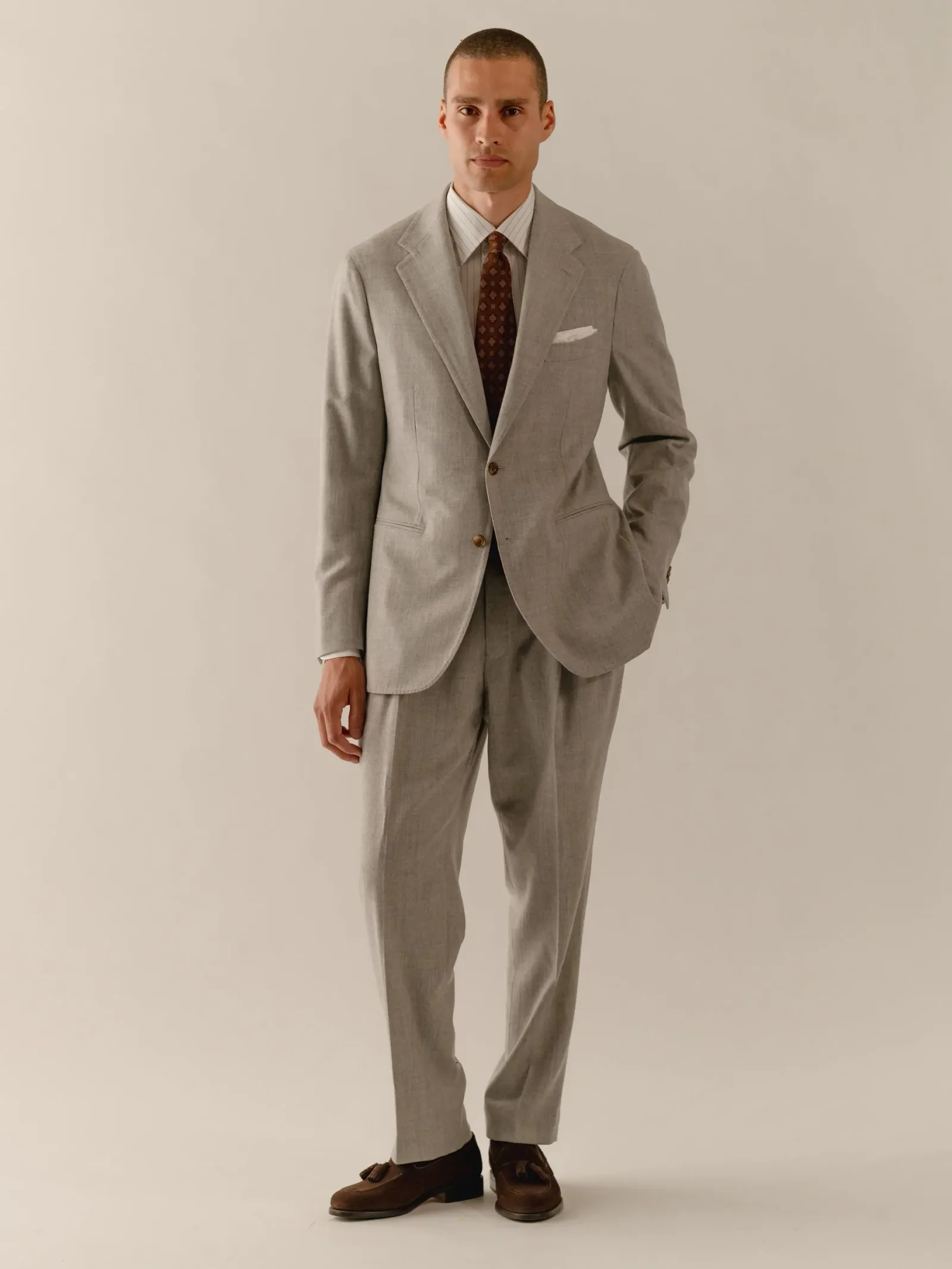
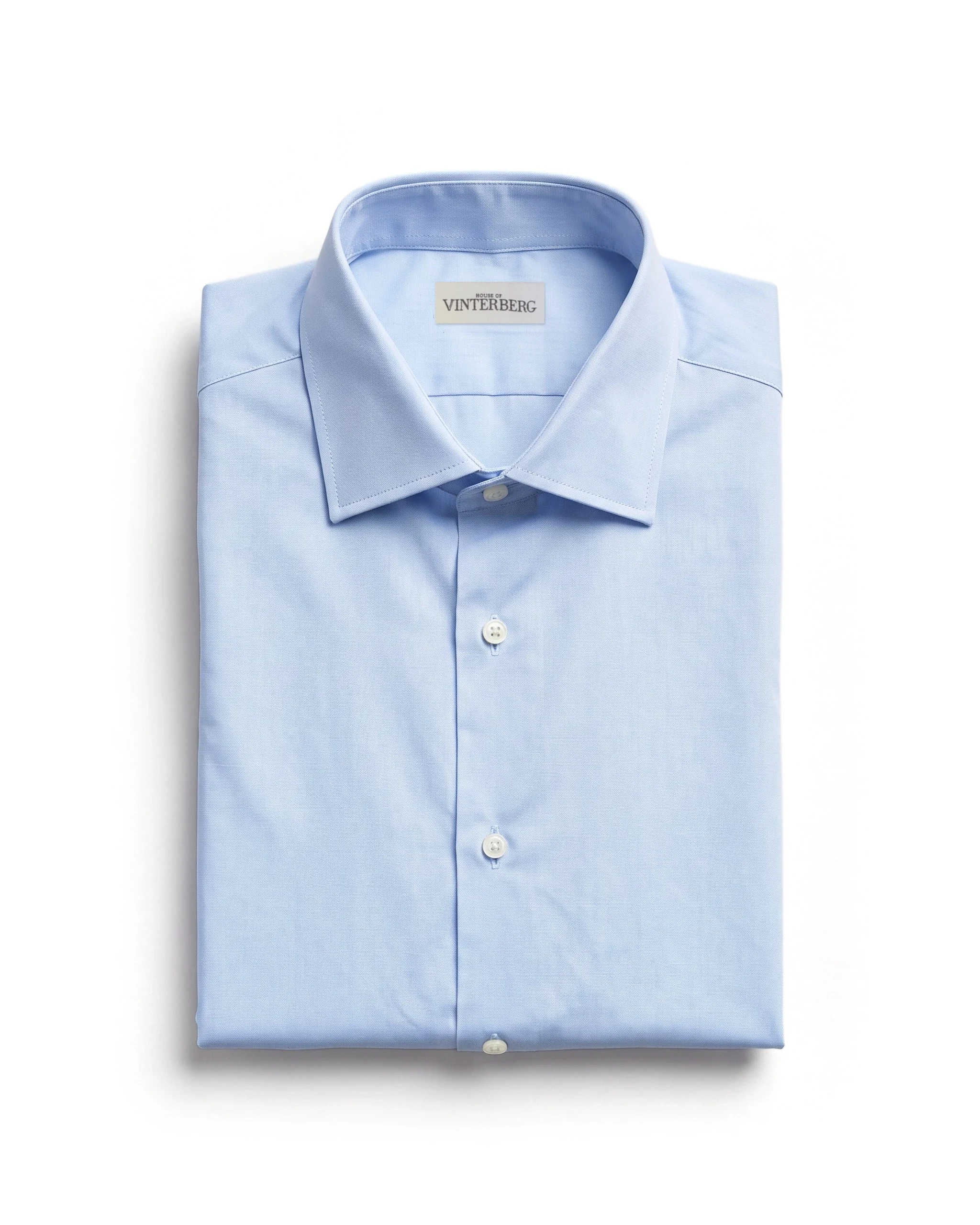
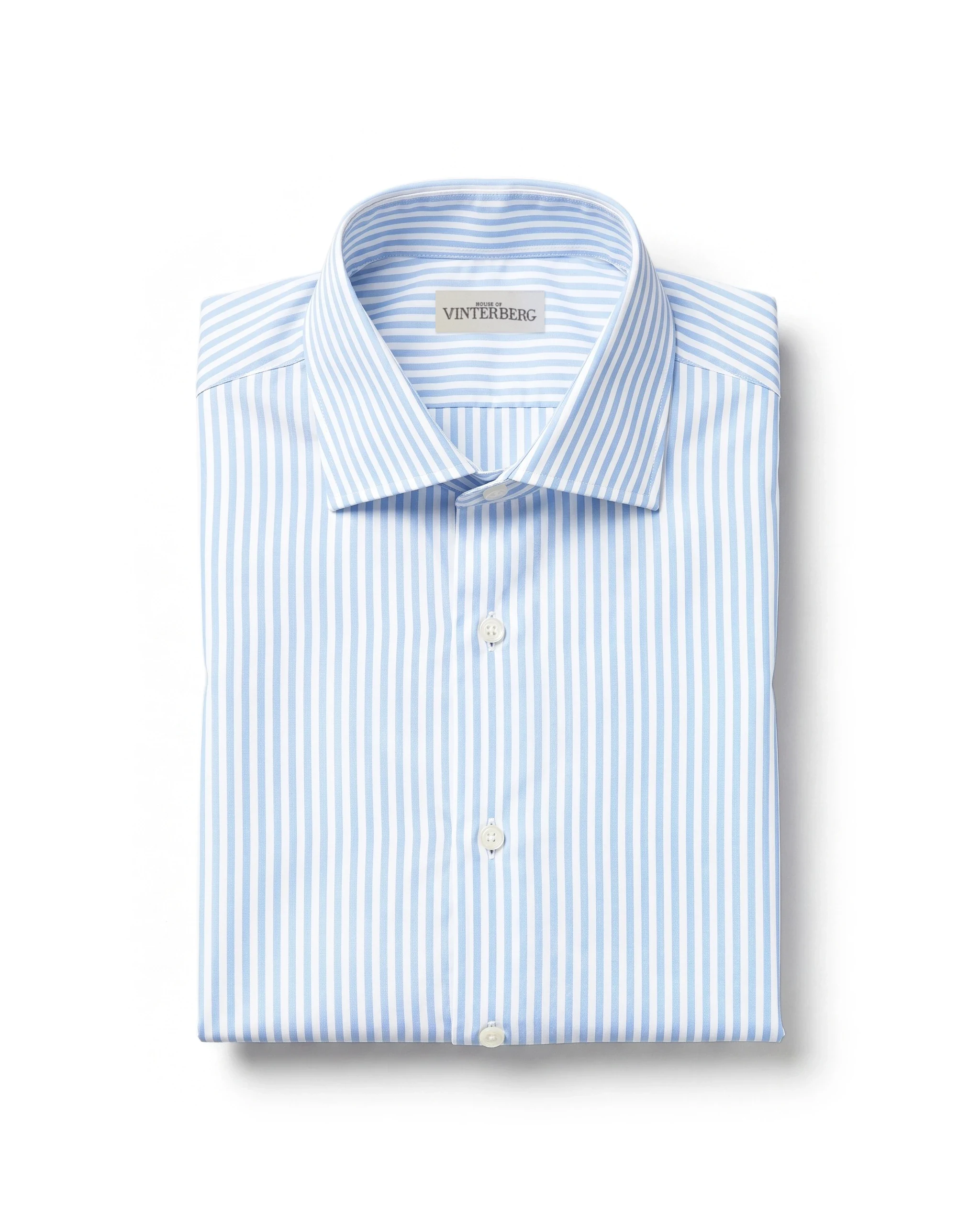
See the products: White cotton twill, Light blue, White pinstripe.
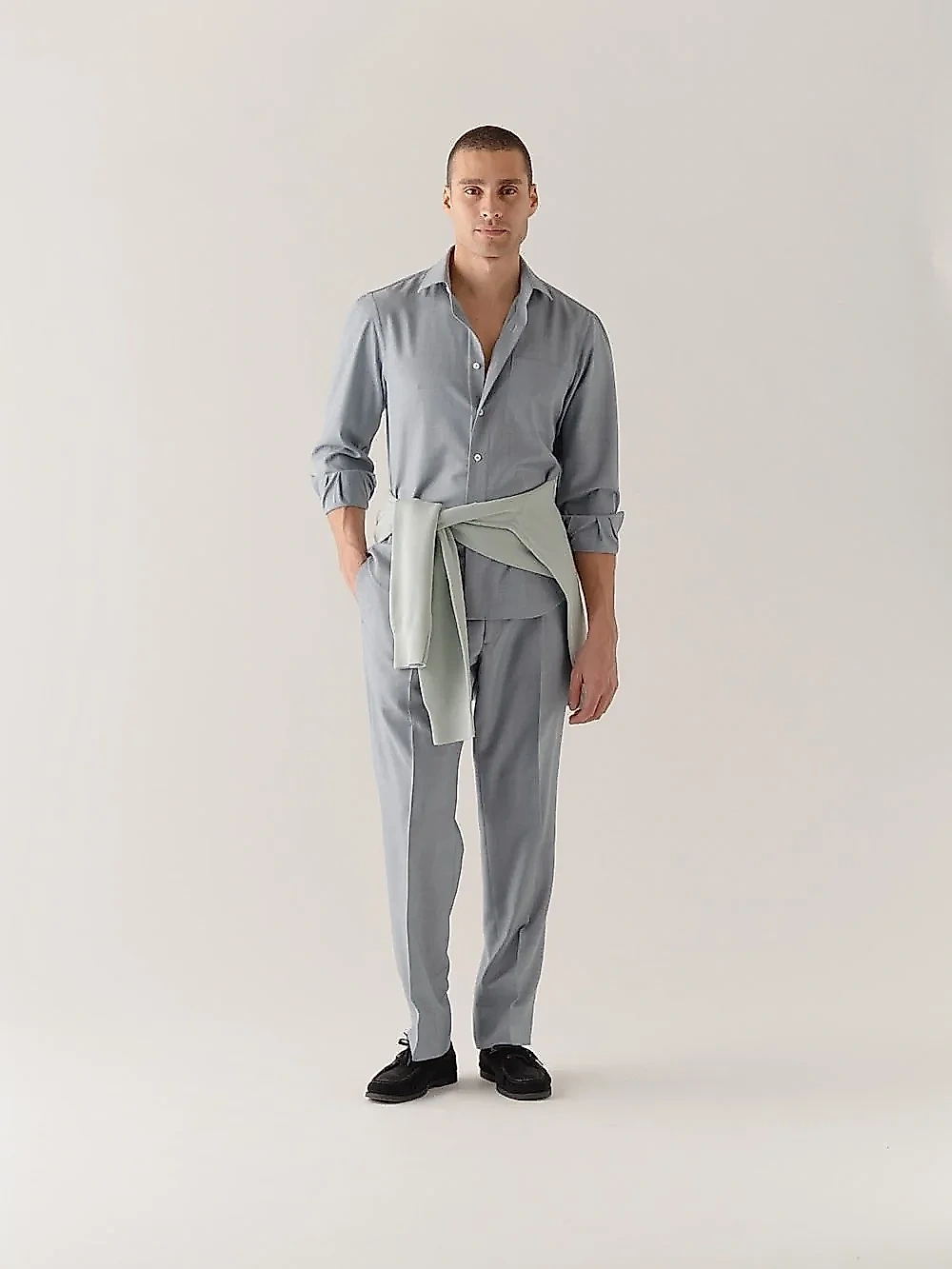
See the products: Anthracite herringbone, Light blue herringbone.
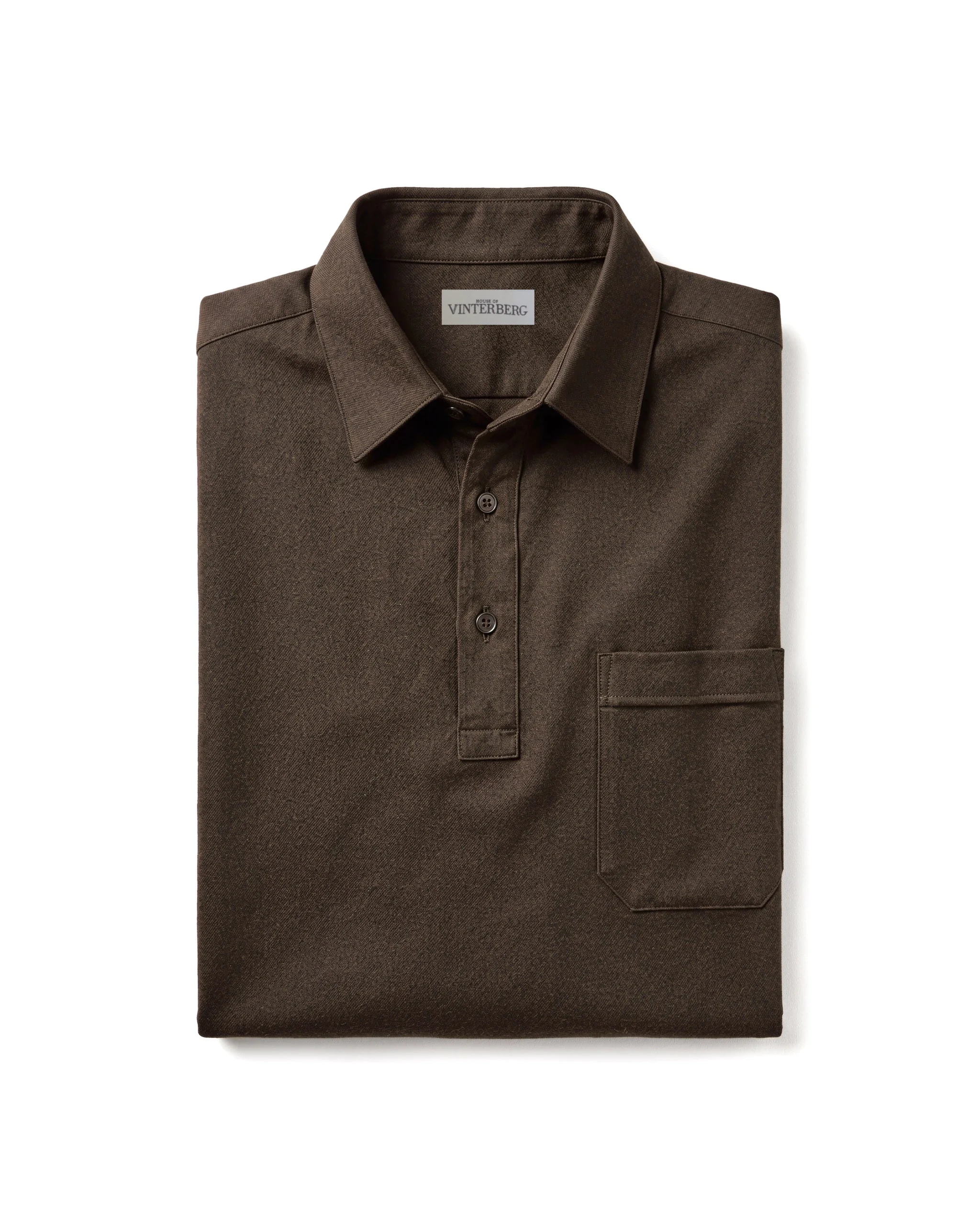
For every day without a suit the materials are heavier and more relaxed: denim in mid-blue or dark, which gets better with washing, seersucker with its puckered texture for early summer, and linen for summer - 100 percent linen that creases as it should and keeps the air cool. The linen shirt is made with a camp or mandarin collar and worn untucked or under an unlined jacket.
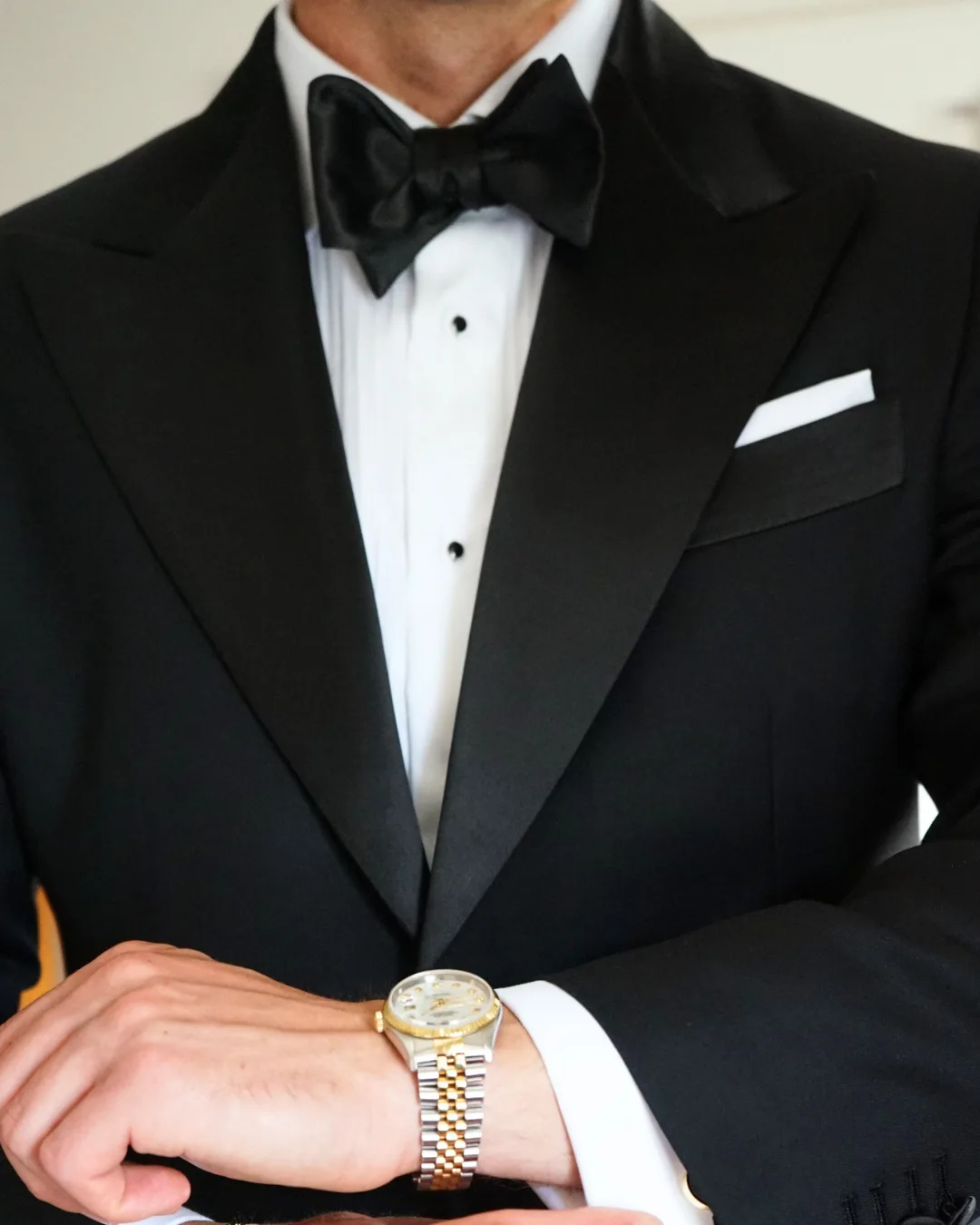
See the products: Mid-blue denim, Off-white linen, Light blue seersucker, Light olive linen.
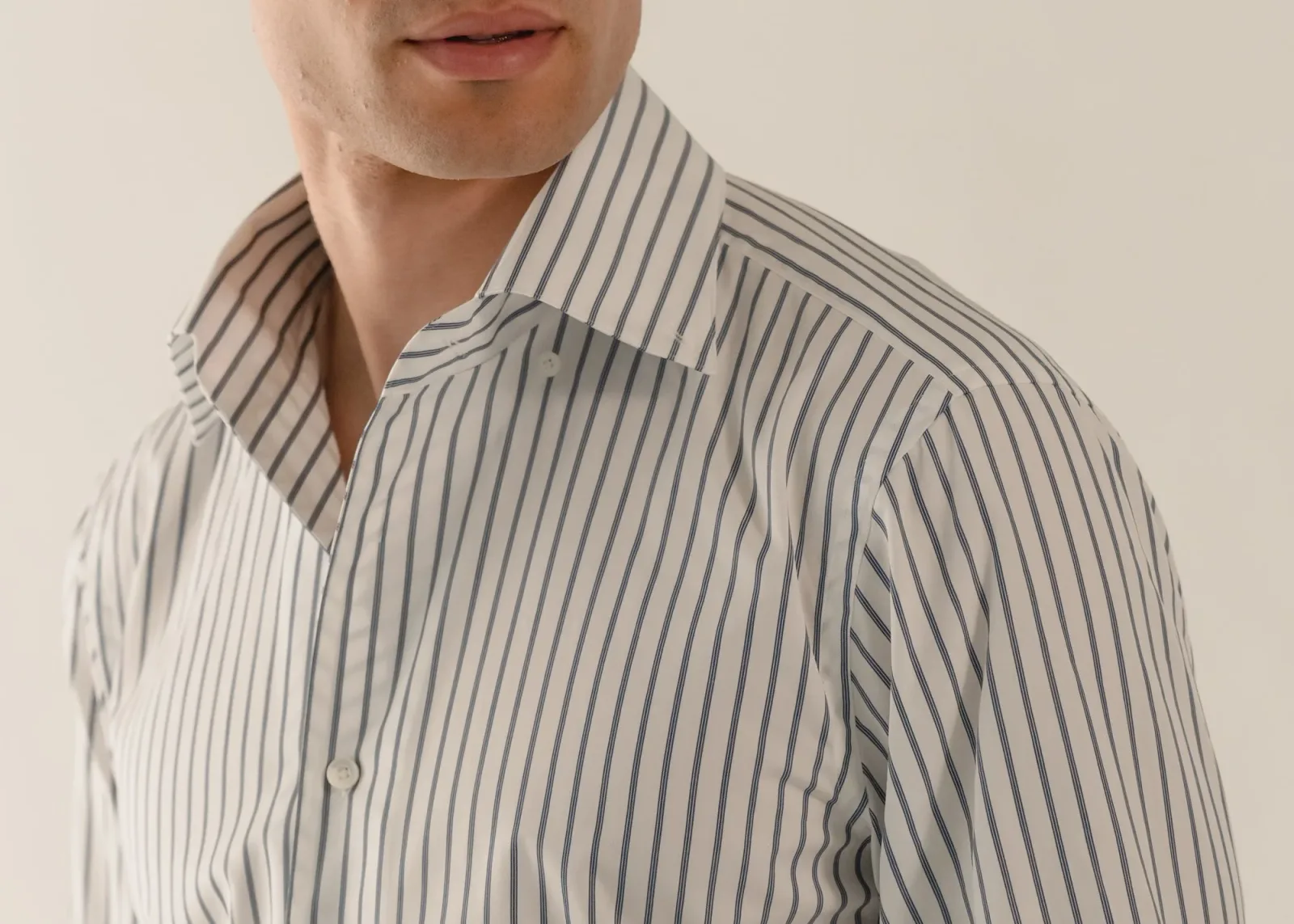
The three shirts a wardrobe starts with
The white in twill, because it carries a suit, a blazer and jeans and is never wrong. The light blue, because it is kinder to most complexions than white and just as formal. And the striped - blue stripes on white - because it gives a grey or navy suit life without a tie. After that come herringbone, denim and linen, in the order the wardrobe needs them.
In stock or made to measure
The premium shirts in Italian cotton are ready in sizes 38 to 46 in white, blue and striped blue and ship within 1-3 days - for the man who knows the standard size fits him. The made-to-measure shirt is cut to your own measurements with the collar, cuff and length you choose, in the material you choose, and therefore still fits at five in the afternoon. If you start with one, let it be the white.
Caring for the shirt
Wash at 40 degrees, hang up wet on a hanger, and iron while the material is still slightly damp - then the collar keeps its shape and the shirt lasts for years. Cotton takes the washing; it is the tumble dryer that wears it. See the garment care guide for the rest of the wardrobe.
Frequently asked questions
- How should a shirt fit?
- One finger between the buttoned collar and the neck, the shoulder seam exactly where the shoulder breaks, the cuff at the wrist bone showing half a centimetre below the jacket sleeve, and a hand's width below the waistband so the shirt stays in the trousers. Standard sizes rarely hit all four.
- Which shirt should you buy first?
- The white in cotton twill. It carries a suit, a blazer and jeans, takes wash after wash and is never wrong. Then the light blue and the striped.
- What is the difference between poplin and twill?
- Poplin is smooth and light and looks sharp under a suit. Twill is woven diagonally, feels softer and heavier and keeps its surface wash after wash - our recommendation for the shirt worn every week.
- Which collar suits a tie?
- The classic collar with a moderate spread carries both a tie and an open neck. A wider collar makes room for a larger knot and opens a narrow face; a narrower one gathers a broad face. Mandarin and camp collars are never worn with a tie.
Read also

Talk it through with us at the Showroom.
Book a no-obligation appointment and get advice that starts from your occasion and your wardrobe.