

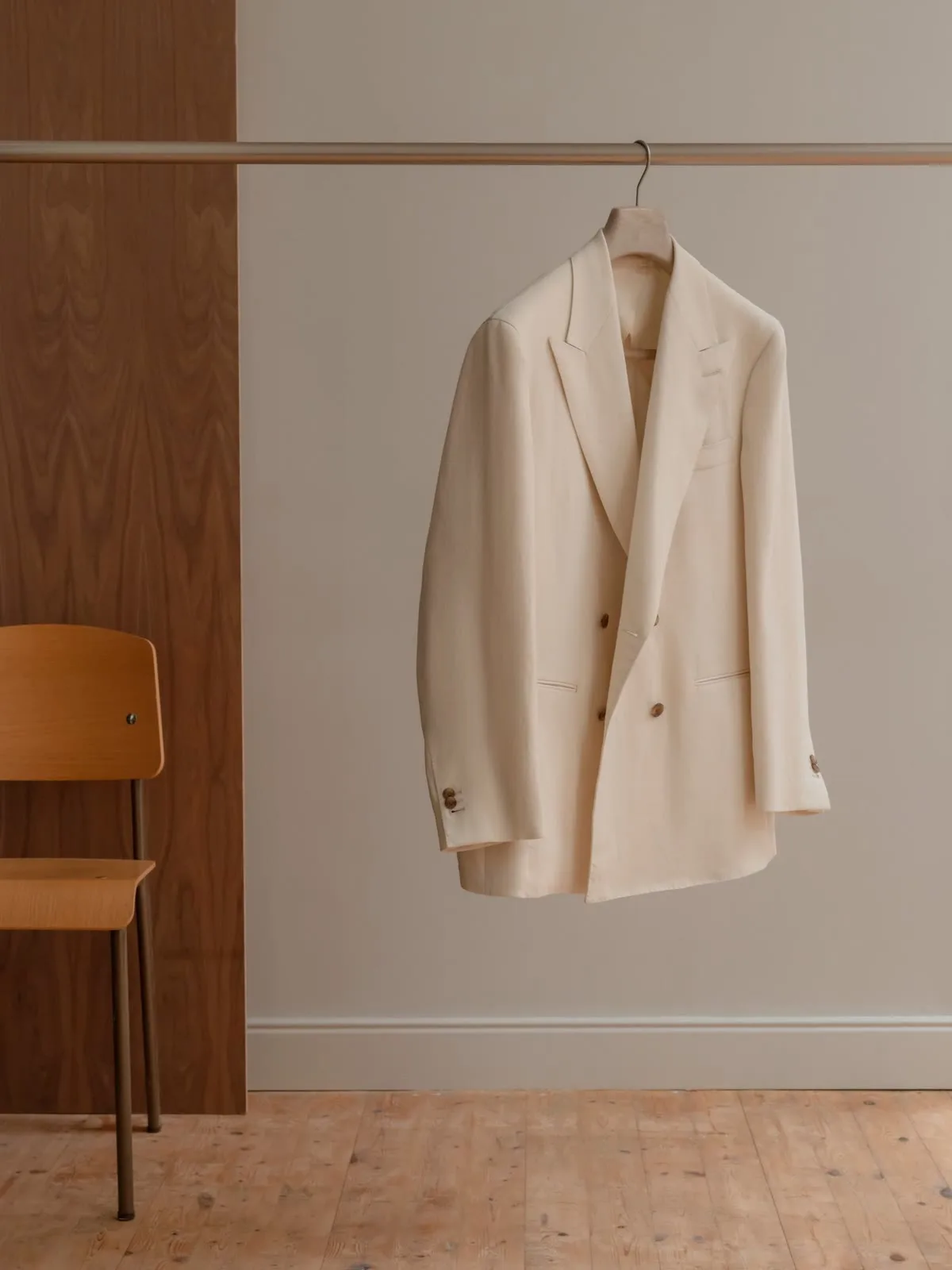
Dry cleaning a suit: how often, how, and what you can do yourself
Why a suit should be cleaned rarely, when it is necessary, what you can do yourself with a brush, fresh air and steam, why the jacket and trousers are cleaned together, linen and flannel, and what the cleaner needs to know. Hangers and garment bags in the webshop from 150 kr.
House of Vinterberg · · 6 min read
The question we are asked most often after a summer of weddings is not what the suit needs for the next party, but whether it should go to the cleaner. The answer is less often than most people think. A suit in wool or linen lasts longest when it is cleaned a few times and looked after the rest of the time, and most of that care takes two minutes at home. Here is how often a suit should be cleaned, when it cannot wait, what you can do yourself, why the jacket and trousers go together, what linen and flannel require, and what the cleaner needs to know.
Why cleaning should be rare
Dry cleaning removes dirt, but it also takes away some of what makes wool wool. The solvent draws out part of the fibres' natural oils, the pressing afterwards flattens the surface, and after many rounds the material becomes drier and loses some of its drape. It does not happen in one clean. It happens over twenty.
For a suit that is worn every week, once or twice a year is plenty. A suit kept for parties can manage with one, typically when the season is over. The rest of the time it is fresh air, a brush and steam that keep the suit clean, and they are gentle enough to use every time. The full care guide is in the guide to clothes care.
When the suit needs cleaning
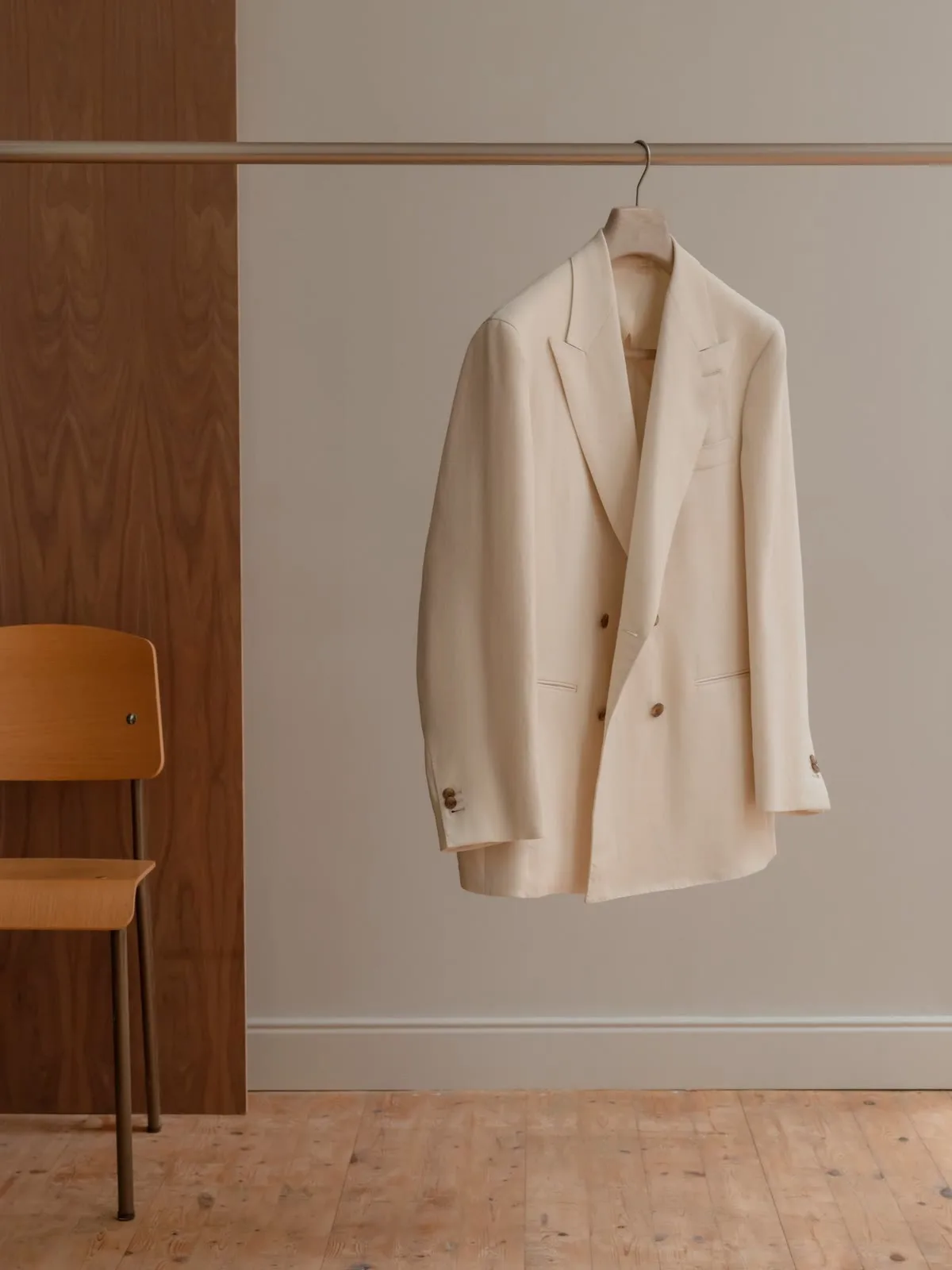
There are three situations in which the suit should be handed in. The first is a stain you cannot get out yourself: red wine, grease from food, make-up on the collar. The sooner it reaches the cleaner the better, and say what the stain is. The second is a smell that does not go after a night by an open window, typically smoke or sweat after a long evening. The third is before seasonal storage. A suit that hangs for half a year with skin oil and food traces in the fibres is what moths go for.
That is why May and June and then September are the cleaners' busy months. The suit from the August wedding should not hang in the wardrobe until next summer before it has been cleaned.
What is not a reason: that the suit has been worn a couple of times, that the trousers have lost their crease, or that the jacket is creased after a journey. Steam and a hanger take care of that.
What you can do yourself
Brush the suit when you take it off. A clothes brush in natural bristle, in long strokes downwards, removes dust, hair and pollen before they work their way into the fibres. It takes a minute and is the most important thing you can do for a suit.
Air it. Hang the suit by an open window or on the bathroom door overnight, with empty pockets and the jacket unbuttoned. Wool lets go of smells and moisture on its own when it is allowed to hang freely. Then let it rest for a day on the hanger before you wear it again; a day of rest for every day of wear is a good rule.
Steam out the creases. A garment steamer held five to ten centimetres from the material, from the top down, smooths out creases from a long day or a suitcase. If you do not have a steamer, hang the suit in the bathroom while you shower. Do not iron directly on the material; a hot iron leaves shiny patches on wool, and they do not go away.
Deal with stains straight away. Dab with a white cloth dampened with water, from the edge towards the centre, and never rub. Do not use soap or stain remover, and do not apply heat to the stain. If it does not come out, leave it and take the suit to the cleaner.
Jacket and trousers go together
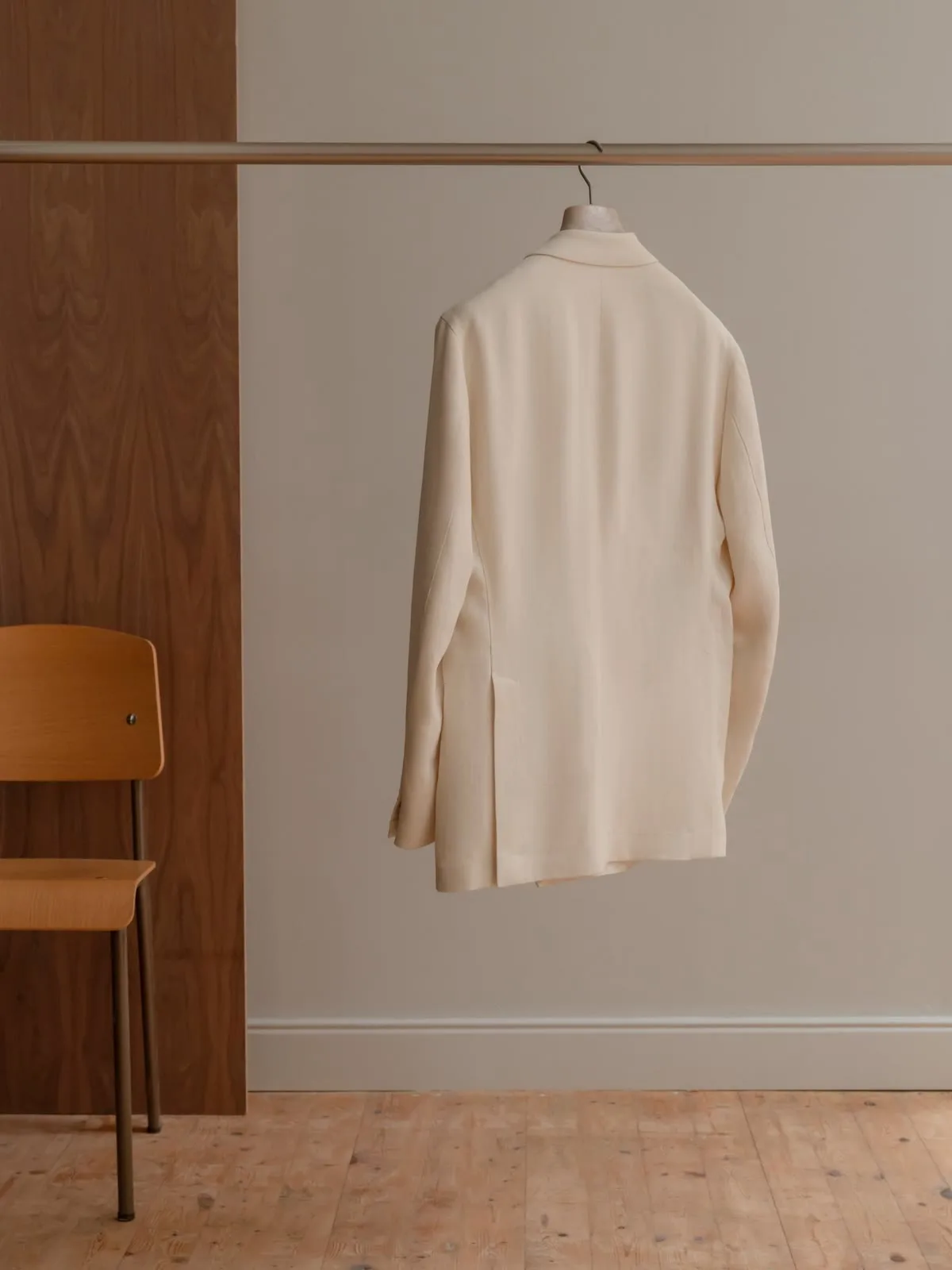
The trousers get dirty before the jacket, and it is tempting to clean only them. Do not. Each clean changes the colour slightly, and after a few rounds the trousers are a shade lighter than the jacket. On a dark suit you can see it in daylight, on a light suit you can see it everywhere. So always clean the jacket and trousers together, even if only one of them needs it.
If the trousers wear faster than the jacket, the answer is a second pair of trousers in the same material, not more cleaning. Two pairs with one jacket doubles the life of the whole suit, because each pair is worn half as much. If the trousers have worn at the hem or need to sit differently, that is a job for tailoring alterations, not for the cleaner.
Linen and flannel
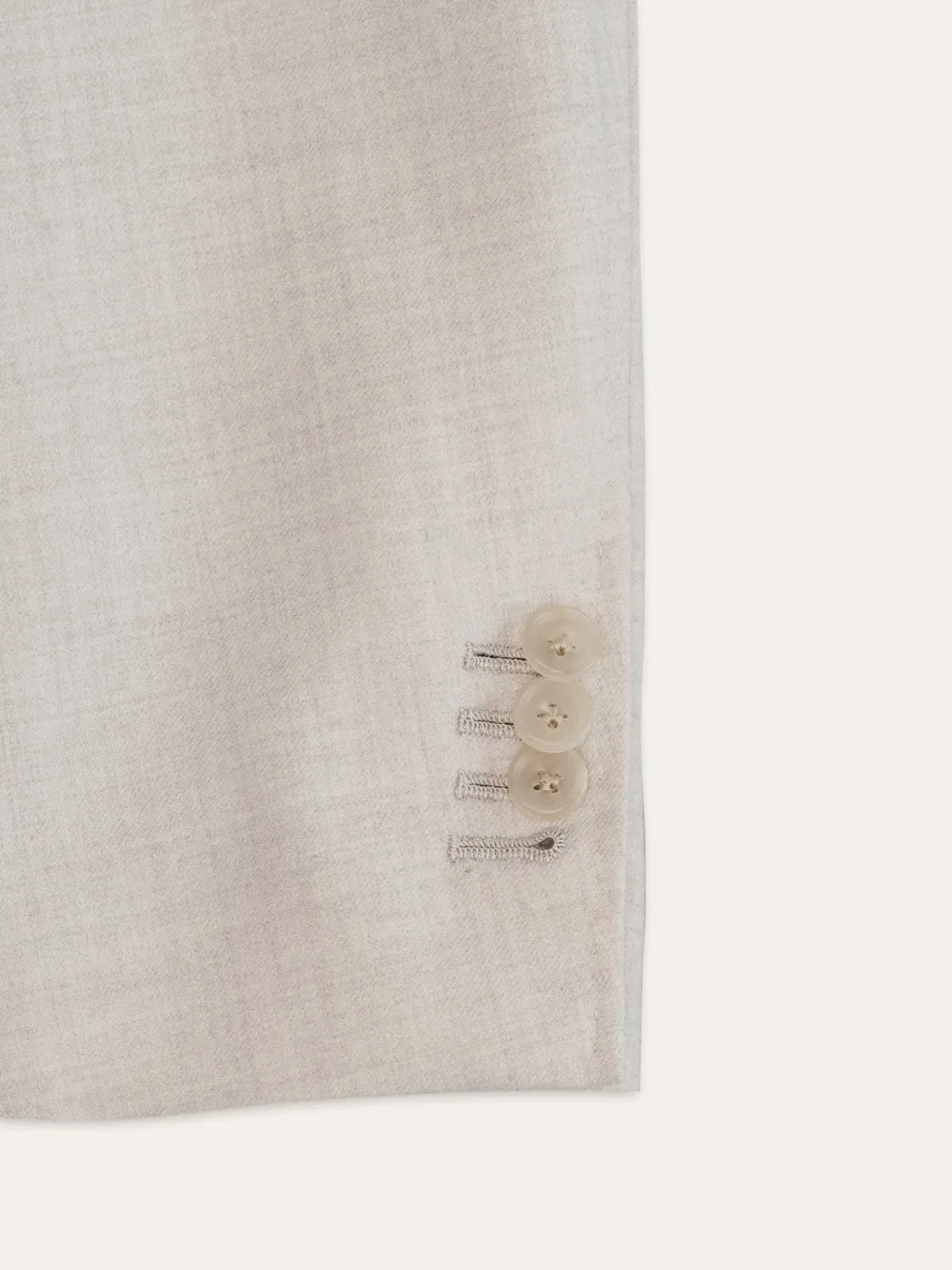
Linen needs cleaning less often than wool, and it should not be pressed flat. The creases are linen's character, and a linen suit that comes home stiffly pressed from the cleaner looks wrong on the first day. Steam it instead, clean it once after the season, and ask the cleaner to press lightly. How linen is worn and looked after is in the linen suit guide.
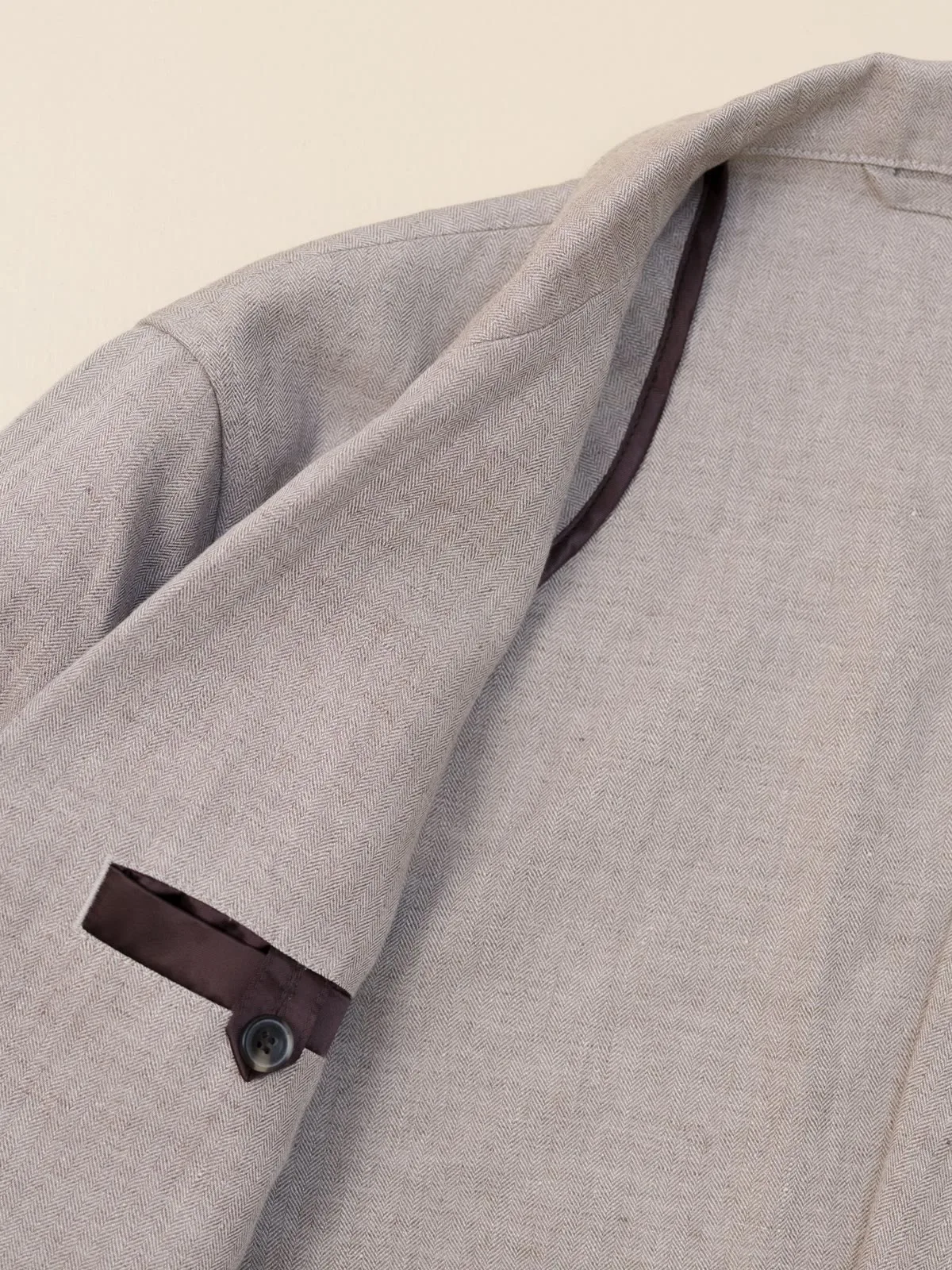
Flannel is soft because the surface is raised. Hard pressing flattens it, and frequent cleaning makes it dull and thin. Brush flannel with the nap, air it after wearing, and clean it when winter is over. Herringbone, check and other weaves with texture hold dirt deeper than smooth wool, and here the brush matters most. The difference between the materials is in the fabric guide.
What the cleaner needs to know
Hand the suit in as a set, and tell them three things: what the material is, what the stain is and when it happened. Wool, linen and blends with silk are treated differently, and a stain that has been there a week needs something other than one from yesterday. If you do not know what the material is, ask us; if we made the suit, we can see it in your order.
Ask for light pressing, especially on linen and flannel, and for the suit to be hung on a hanger and not folded. Check the buttons and lining when you collect it. Take the plastic off as soon as you are home, because it holds on to moisture and the smell of the cleaner, and hang the suit on your own hanger. The cleaner's thin wire hanger is for the journey home, not for the wardrobe.
Afterwards: storage
A cleaned suit should hang on a broad wooden hanger with a curved shoulder, so the jacket keeps its shape, and the trousers should hang along their full length. If it is to hang for a season, put it in a garment bag in a cool, dry wardrobe. That way it keeps until next time without having to go to the cleaner again. The whole method is in the guide to storing suits.
See the products: Wooden suit hanger, Wooden hanger, Vinterberg Signature, Garment bag, Vinterberg Signature, Premium garment bag.
Frequently asked questions
- How often should you dry clean a suit?
- Once or twice a year for a suit in regular use, and once after the season for a party suit. The rest of the time a brush, fresh air and steam are enough. Frequent dry cleaning wears wool, because it draws out some of the fibres' natural oils.
- Can you clean just the trousers?
- You should not. Each clean changes the colour slightly, so trousers that are cleaned more often than the jacket end up a shade lighter. Clean the jacket and trousers together, and consider a second pair of trousers if they are the part that wears.
- How do you get a stain out of a suit?
- Dab with a white cloth dampened with water, from the edge towards the centre, and never rub. Do not use soap or stain remover. If the stain does not come out, take the suit to the cleaner quickly and say what the stain is and when it happened.
- How do you get creases out of a suit without cleaning?
- With steam. A garment steamer five to ten centimetres from the material, from the top down, or the suit hung in the bathroom during a hot shower. Then let it hang overnight on a broad hanger. Do not iron directly on wool.
- What do hangers and garment bags cost at House of Vinterberg?
- The wooden suit hanger and the Signature hanger cost 150 kr. each, the Signature garment bag 500 kr. and the Premium garment bag 700 kr. They are in stock in the webshop.
Read also

Talk it through with us at the Showroom.
Book a no-obligation appointment and get advice that starts from your occasion and your wardrobe.