
The suit fabric guide: how to choose the right cloth
How to choose the cloth for your suit: wool year round, linen for summer, flannel for winter, and how weight and the Super number affect drape, comfort and lifespan.
House of Vinterberg · · 3 min read
The cloth is the first thing you feel and the last thing to give way. A well-chosen fabric falls correctly, holds its shape and suits the season and the occasions the suit is for. This guide helps you choose, not by what sounds impressive, but by what the suit needs to do.
Wool all year round
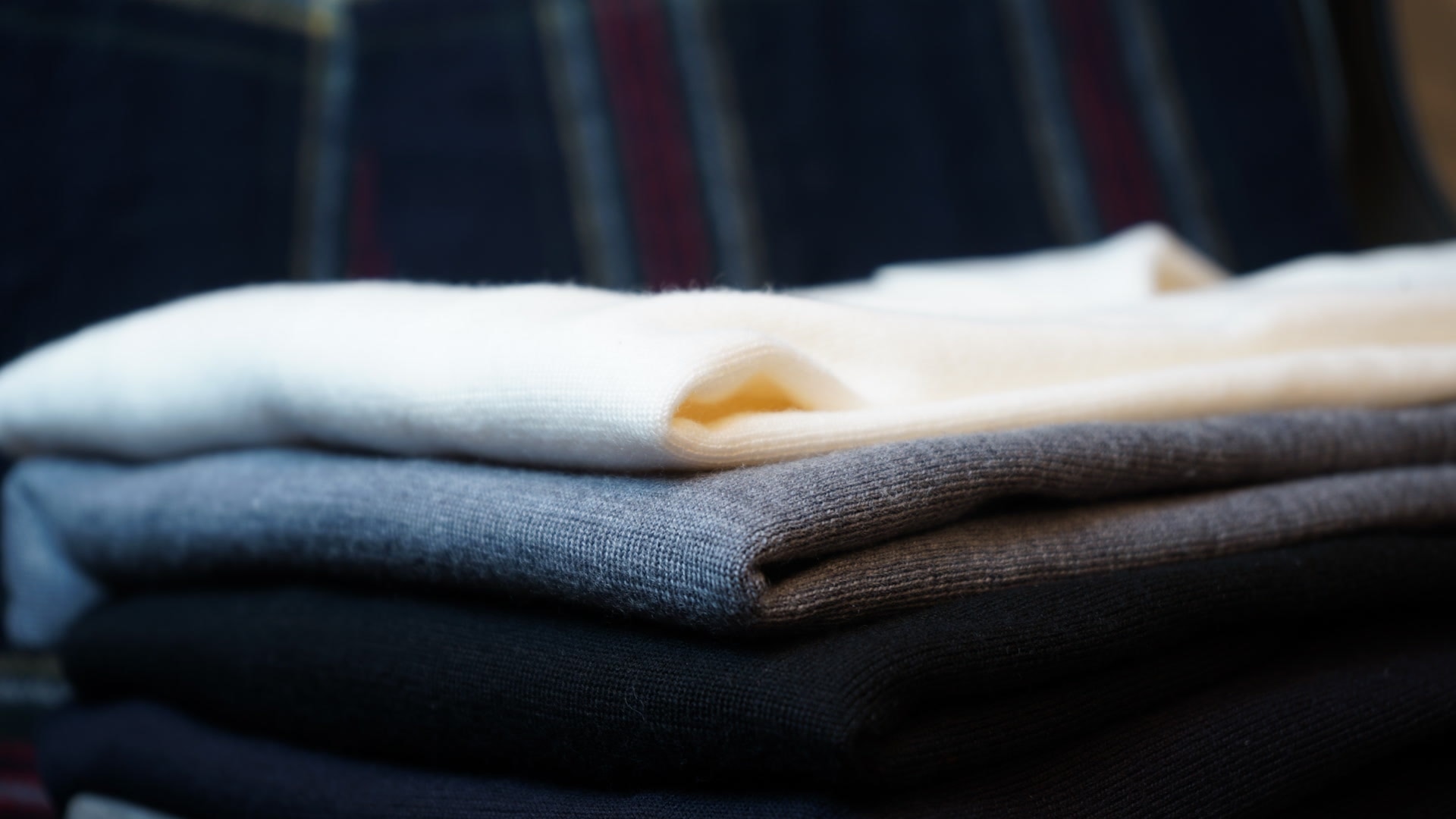
Wool is the base cloth of most suits, and for good reason. Worsted, the smooth, tightly combed wool, is the classic choice: elegant, durable and versatile from meeting to celebration. Merino wool has finer fibres, regulates temperature and feels soft against the skin, which makes it a calm starting point for the first, versatile suit. The Super number (110s, 120s, 130s) tells you how fine the fibre is, not how durable. 110s and 120s are robust everyday choices; the very high numbers are finer but more delicate and best for occasional wear.
Virgin Wool
Virgin Wool is wool that has never before been processed into yarn. The longer, intact fibres give a finer surface and a natural weight, so the suit falls calmly and keeps its shape. It is a cloth that does not announce its quality but carries a quiet elegance.
Flannel for autumn and winter
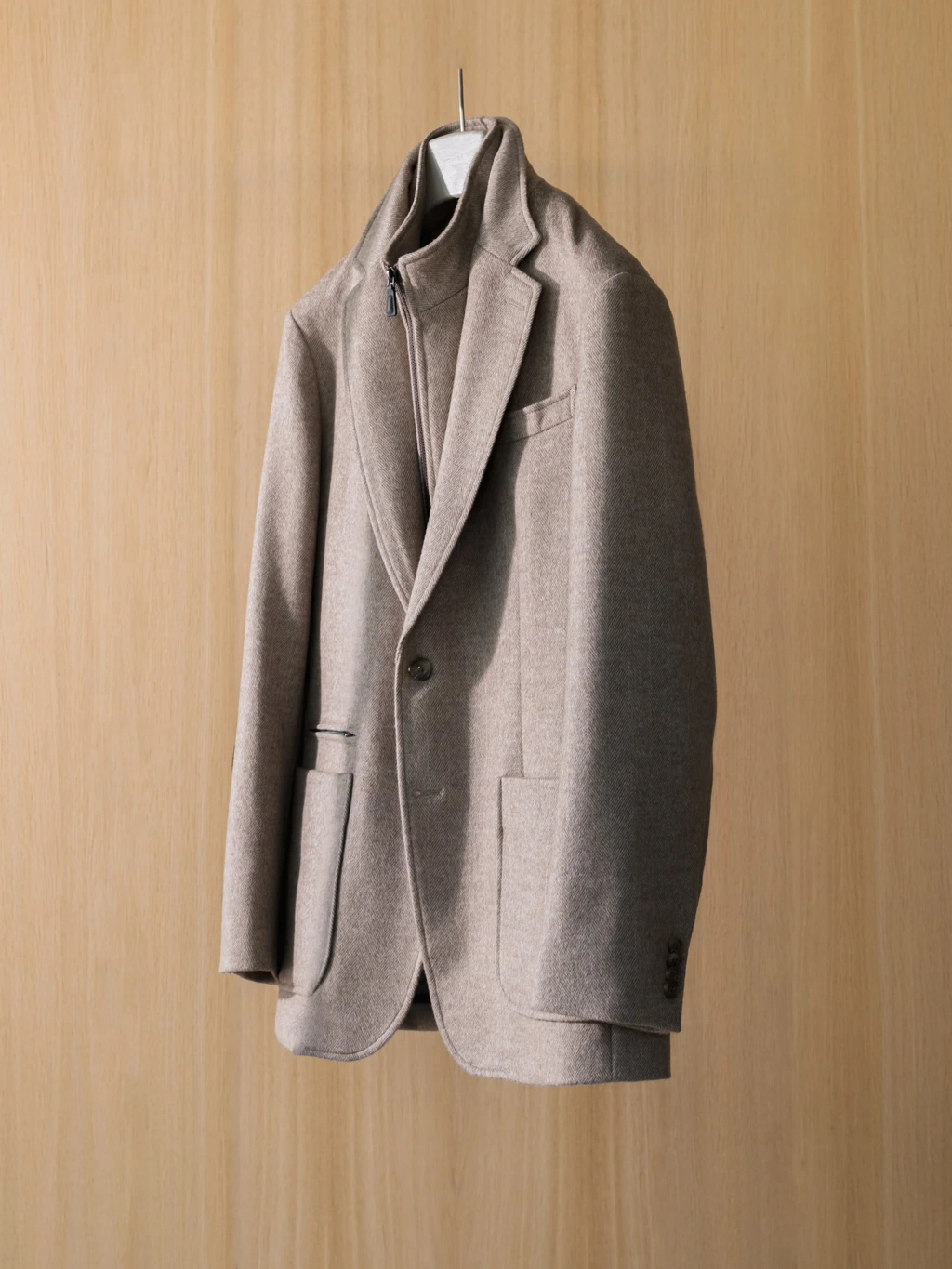
Flannel is softer, lightly brushed wool with a matte surface. It is warmer and more muted than worsted and belongs to the cold months. A flannel suit has a depth and texture that suits autumn and winter.
Linen for summer
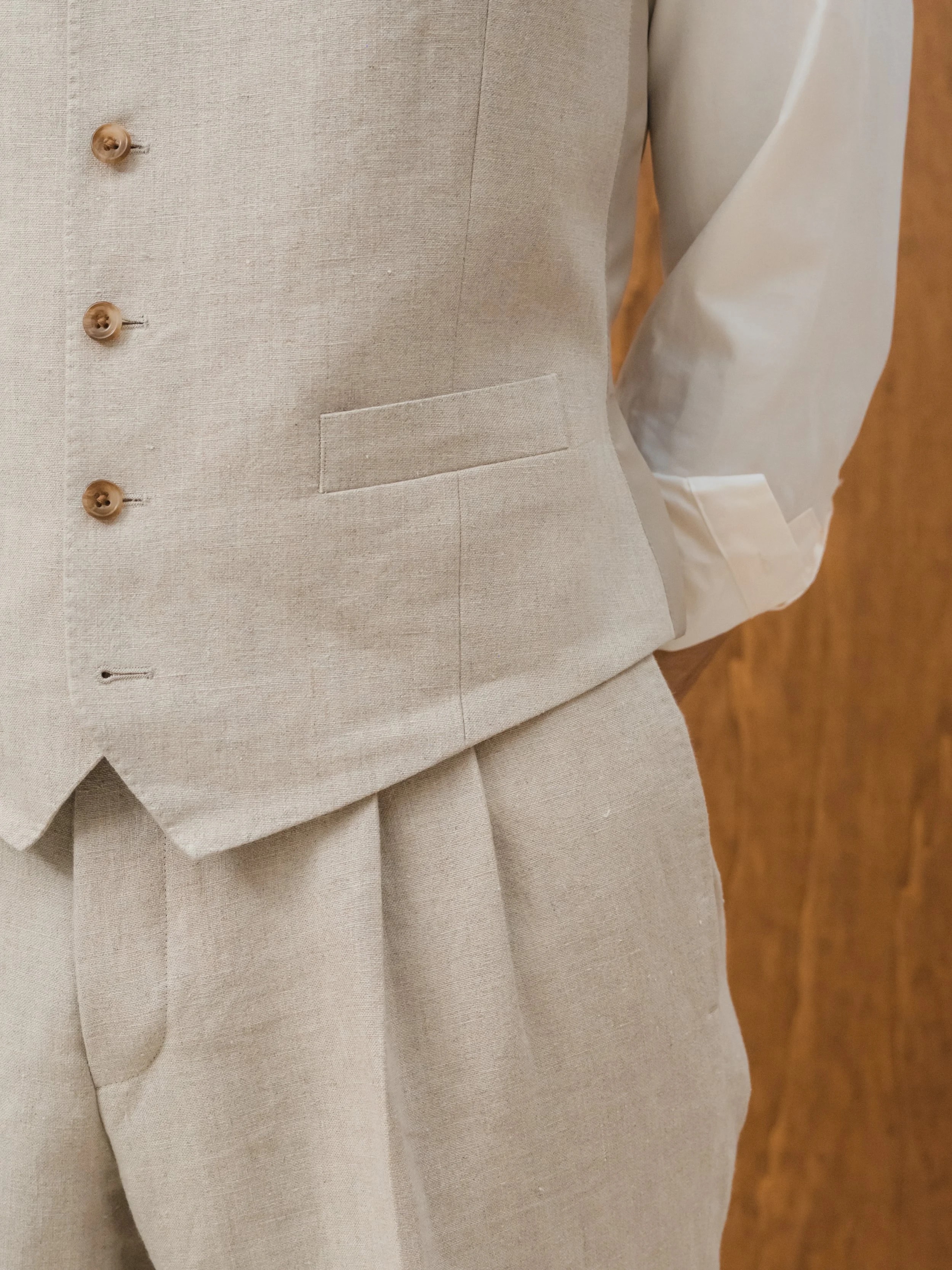
From May to August the climate changes the terms. Linen is light, breathable and lets the air pass, which makes it the obvious summer cloth. Linen's tendency to crease is not a flaw but part of its character, and it suits the lighter tone of summer. A linen suit is a safe choice for a garden wedding or a warm day.
Wool and cashmere
Blends of wool and cashmere add softness and a light lustre to the cloth, often in outerwear and lighter jackets. Cashmere is warm and gives a luxurious feel, but it is softer and a little more delicate than pure wool, so it is best where comfort matters more than daily wear.
Weight and season
The cloth's weight, measured in grams per metre, decides how the suit falls and which season it can handle. Light cloths are comfortable in the heat, heavier ones hold the warmth and fall with more weight. A single suit can rarely cover both a warm summer day and a cold winter, so factor the weight in according to when you will wear it.
How to choose
Start with the use, not the colour. If the suit is for work all year, a mid-weight wool or Merino wool is the safe choice. If it is for a single summer occasion, linen wins. For winter, flannel gives depth and warmth. At the Showroom in Copenhagen you can see and feel the cloths and have your personal designer help you choose based on your use. See our suits, read about tailor-made suits, or book an appointment when you are ready.
Read also

Talk it through with us at the Showroom.
Book a no-obligation appointment and get advice that starts from your occasion and your wardrobe.