
Men's suits: a guide to fit, cloth and occasion
Understand the difference between ready-to-wear, made-to-measure and bespoke. An editorial guide to men's suits from House of Vinterberg.
House of Vinterberg · · 8 min read
A suit says something about the man wearing it long before he says anything himself. At a wedding, in a conversation that matters, in the everyday rhythm of work. The question is rarely whether to own a suit, but which one, and why.
This guide is about choosing with care. About the difference between the three ways of acquiring a suit, about what the cloth means, and about how the occasion sets the frame. Not about rules, but about understanding what makes a suit yours.
Three ways to acquire a suit
The first choice is not the colour or the cloth. It is where the suit comes from. There are three routes, and they differ in fit, process and result.
Ready-to-wear
Ready-to-wear is the finished suit from the rack, cut in standard sizes. It is the easiest way in, and it fits many men reasonably well, because standard patterns are drawn from average measurements. But the body is rarely average. The shoulders may sit correctly while the waist is too wide. The sleeves may be the right length while the chest pulls. Alteration is limited, and the result often compromises in one place to work in another. Ready-to-wear makes sense when the need is short-term and you do not wish to invest more.
The body is rarely average. A standard pattern is drawn from average measurements.
Made-to-measure
Made-to-measure starts from a base pattern that is adjusted to your measurements. Shoulder width, chest, waist, sleeve length and leg length are tailored so the suit is cut to the body rather than the other way around. Then come the choices of cloth and details, so the suit matches the occasion and the wardrobe it will join. For the man who wears a suit regularly, or who wants one that lasts for many years, made-to-measure is the natural choice. House of Vinterberg works primarily this way. With us, you meet your personal designer at the Showroom, and fit, cloth and details are chosen together.
Bespoke
A bespoke suit is built from scratch with one man in mind. Individual measurements are taken, and the suit takes shape step by step with adjustments along the way. The process is the most involved of the three, and the result is the most precise. A suit that sits as if cast, reflecting the body and the style in every detail.
The choice between the three should reflect what the suit is for, how often it will be worn, and what investment makes sense over time. We go deeper into that trade-off in our guide to tailor-made suits.
Cloth and seasons
The cloth decides more than the look. It determines how the suit behaves day to day, which season it can handle, and how it ages.
Merino wool all year round
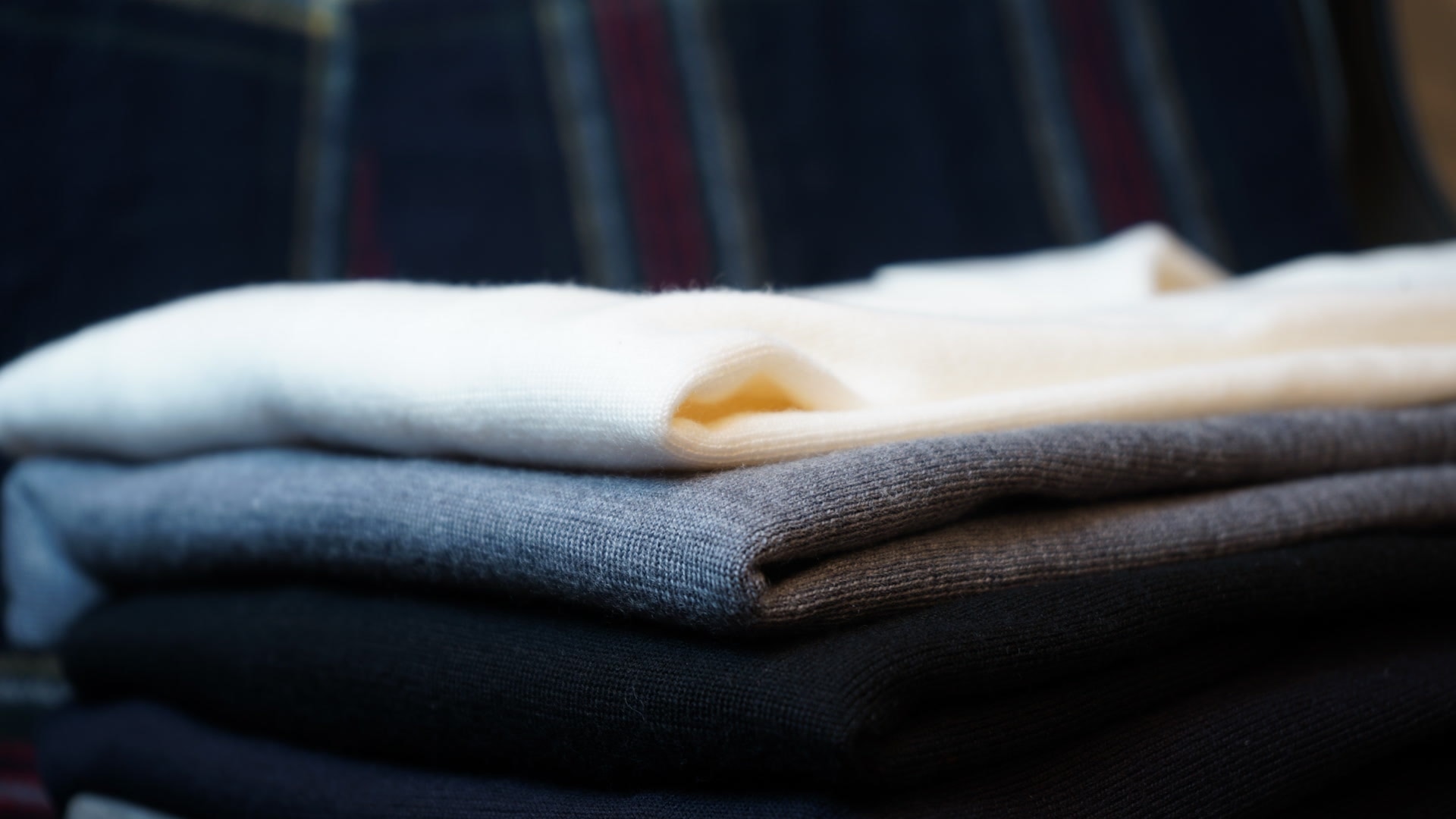
Merino wool covers most of the Scandinavian year. The fibres are finer than ordinary wool, which gives a softer feel against the skin. The cloth regulates temperature on its own and holds its shape through repeated wear. A merino suit hangs itself back into shape after a night on the hanger. That makes it a calm starting point for the first, versatile suit.
Virgin Wool
Virgin Wool is wool that has never before been processed into yarn. The fibres are longer and more intact, and the surface becomes finer and more even. A suit in Virgin Wool drapes with a natural weight and carries a quiet elegance that suits the classic cut. The cloth does not announce its quality, but it is unmistakable to those who know it.
Linen for summer
From May to August the climate changes the terms. Here linen is the obvious alternative to wool. A linen suit falls loosely, breathes and lets the air pass. Linen's tendency to crease is not a flaw but part of the cloth's character, and it suits the lighter tone of summer. A June wedding or a lunch by the water are occasions where linen does its job better than wool.
Use and season belong together
The choice of cloth should always be tied to the use. A suit for meetings and representation all year has different requirements from a wedding suit for a single summer day. At the Showroom it is your personal designer's job to ask the questions that uncover the need behind the wish, so the choice is made from the actual use, the season and the wardrobe that already exists. The cloths are described in more detail under construction and textiles.
The suit for the occasion
The occasion sets the frame. Colour, cut and formality should be tuned to the context.
Weddings
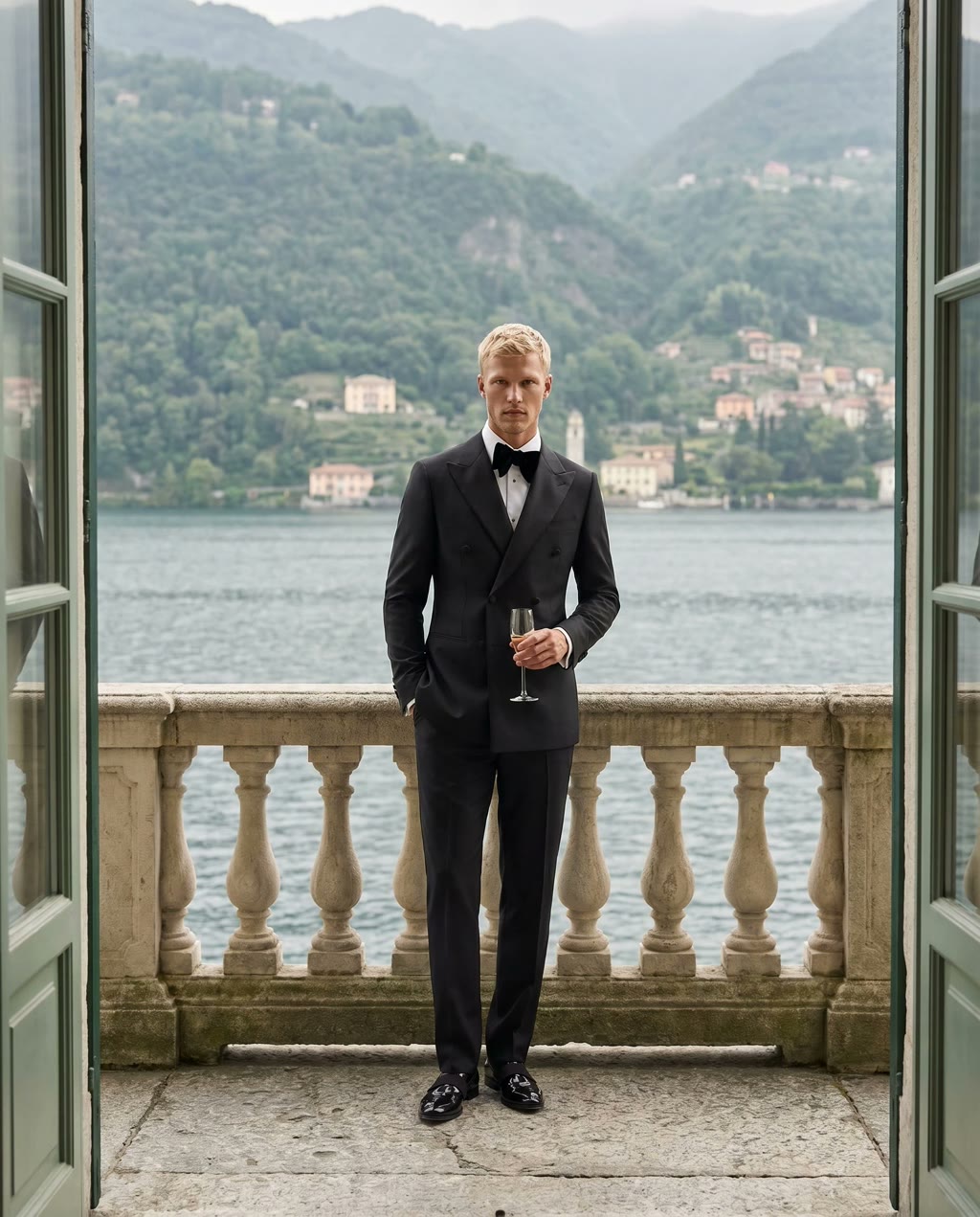
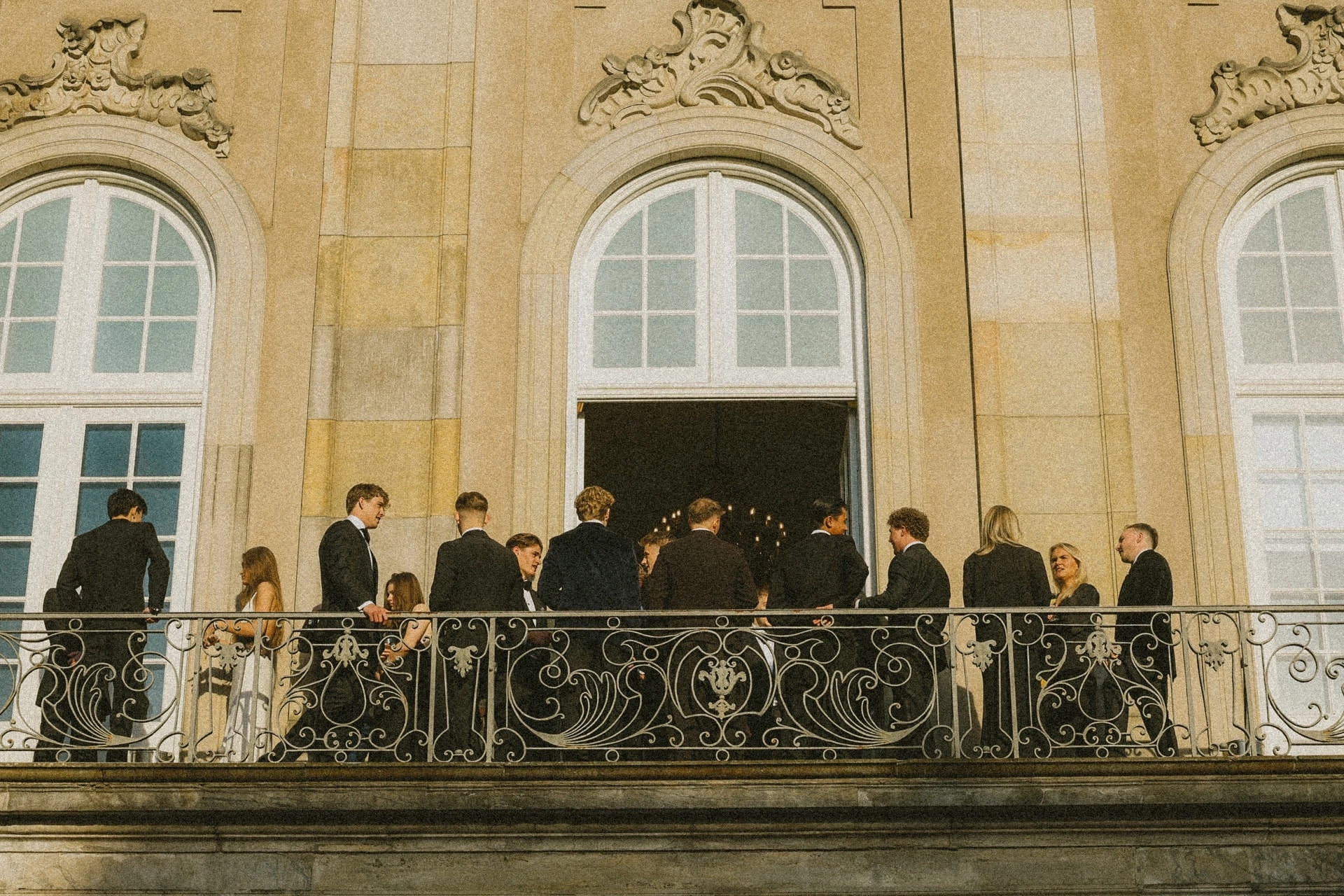
Weddings call for particular care, whether you are the groom or a guest. A navy or deep green suit in wool is a solid starting point with a natural elegance that works across styles and seasons. A lighter colour or a discreet texture can signal a more personal approach to the day. It is less about following a dress code and more about striking the mood. We have gathered our thoughts on the groom's attire in our wedding universe.
Working life
At work, the suit is a signal of presence and consideration. Here it pays to choose neutral, durable colours such as grey, navy and charcoal, in a cut that sits correctly from the meeting room to lunch. A suit that loses its shape during the day is not a good starting point, whatever the cloth. Fit is the foundation.
Celebrations and formal events
The requirements shift with the occasion. A confirmation allows more colour than a solemn event that calls for a dark, restrained expression. A company dinner sits in between, often a classic two-piece in a neutral colour, possibly without a tie. The cut should follow the context.
Everyday wear
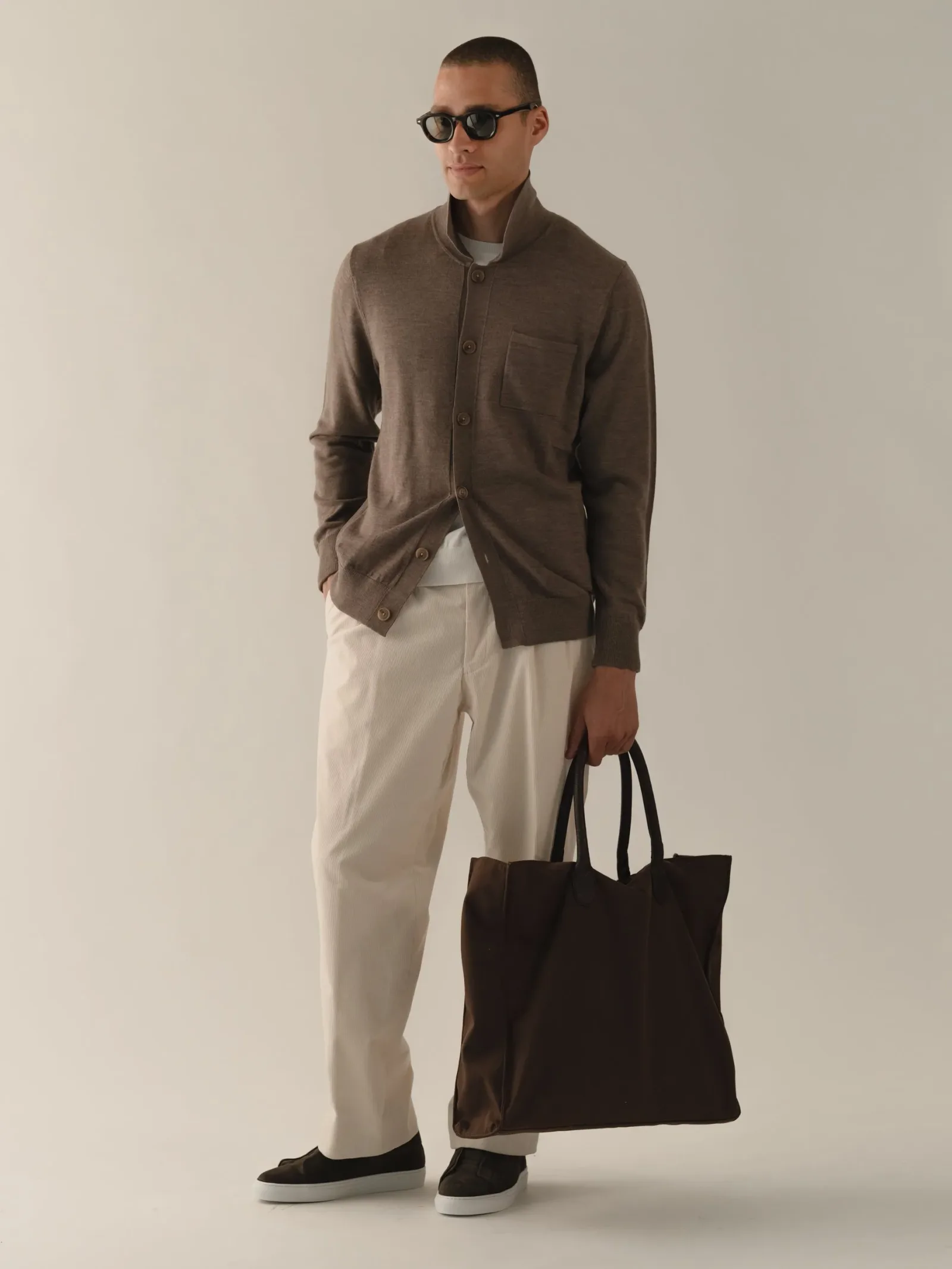
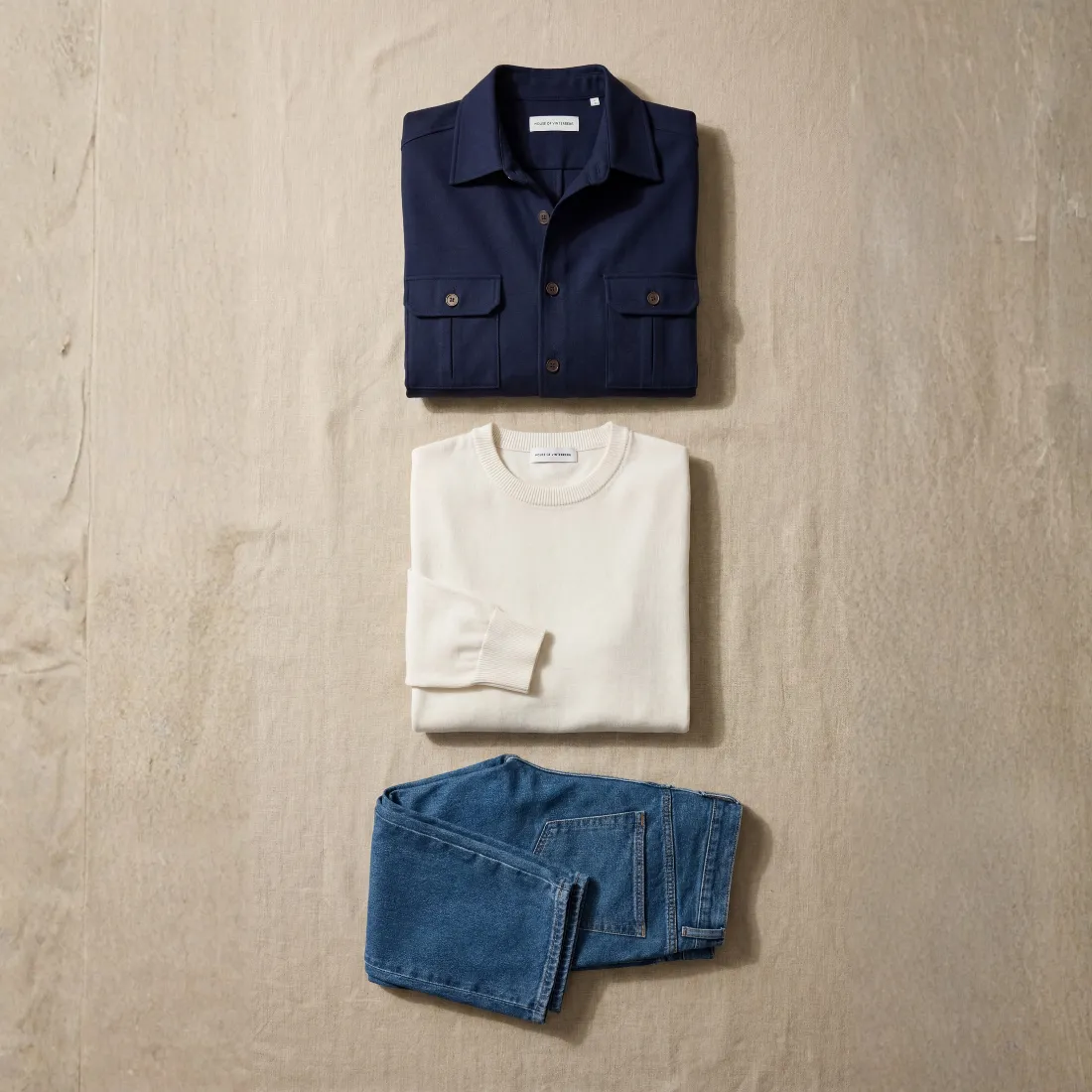
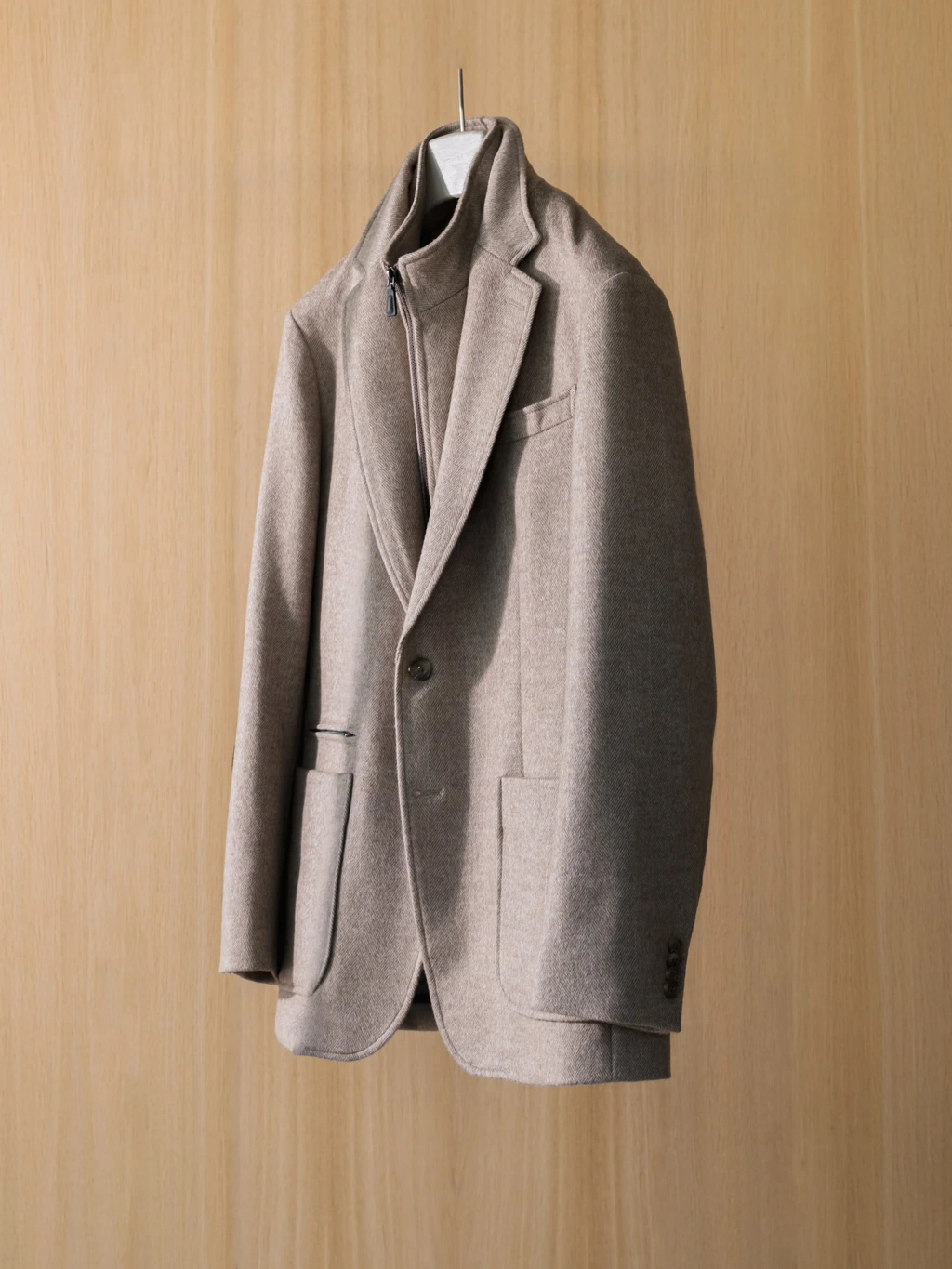
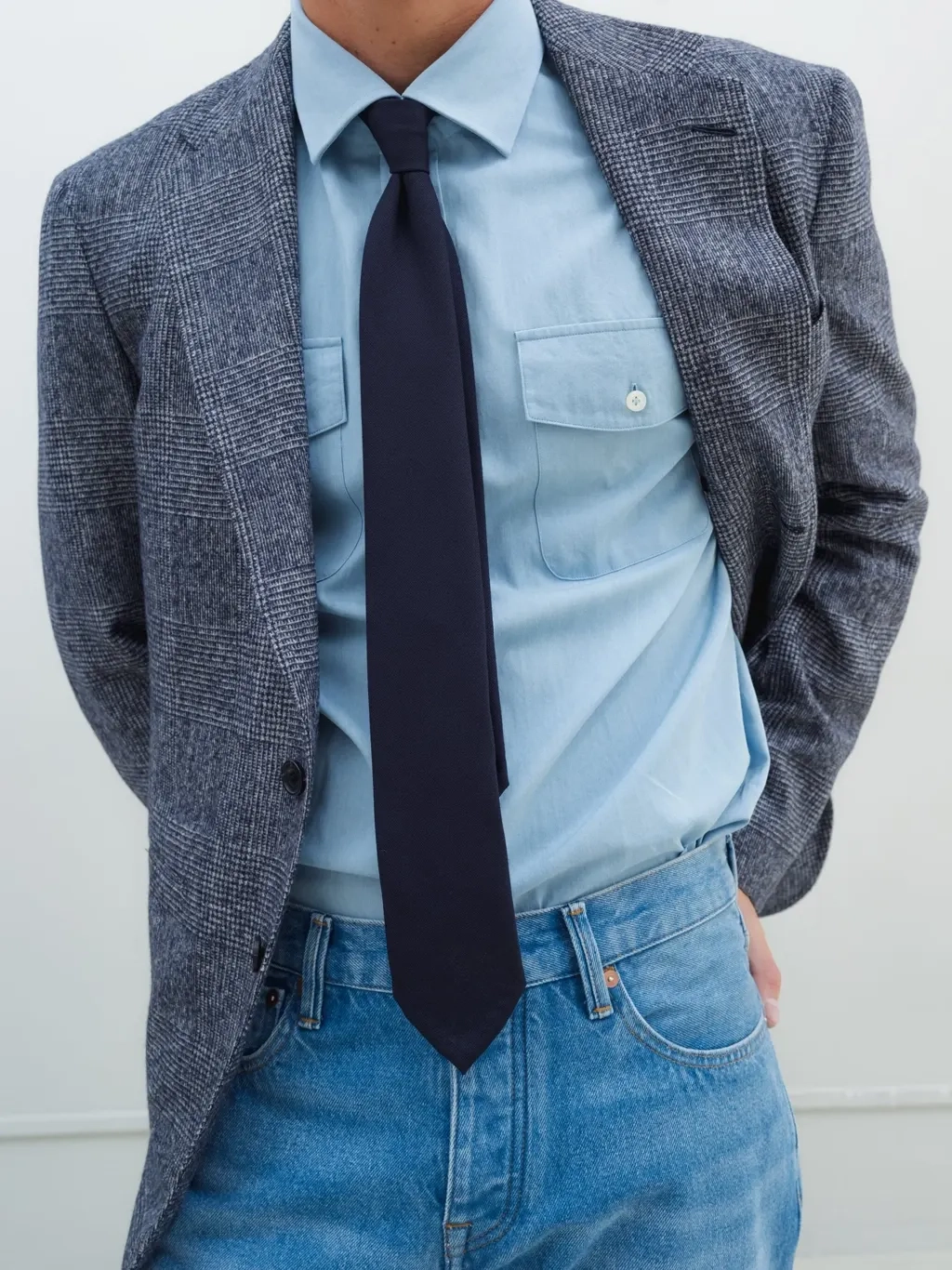
For everyday use, the suit opens up to freer combinations. The jacket can be worn over a shirt without a tie, perhaps with knitwear in between, and the trousers pair with other tops. A suit with a good fit and a neutral expression gives the most combinations and therefore the greatest range in the wardrobe.
The complete expression
A suit finds its form when it meets the right accessories. The jacket and trousers are the foundation. The details decide whether the whole reads as accidental or considered.
The silk tie
A silk tie in a tone that speaks to the suit gathers the expression and adds depth. It is not about matching colours precisely, but about tones that belong together. A navy suit carries a tie in deep burgundy or soft steel grey. Silk brings a movement and lustre that other materials do not imitate.
The pocket square
The pocket square is a small detail, but it is seen. A clean, flat fold gives a formal, restrained expression. A looser placement signals relaxed elegance. The material affects how the fold falls.
The ascot
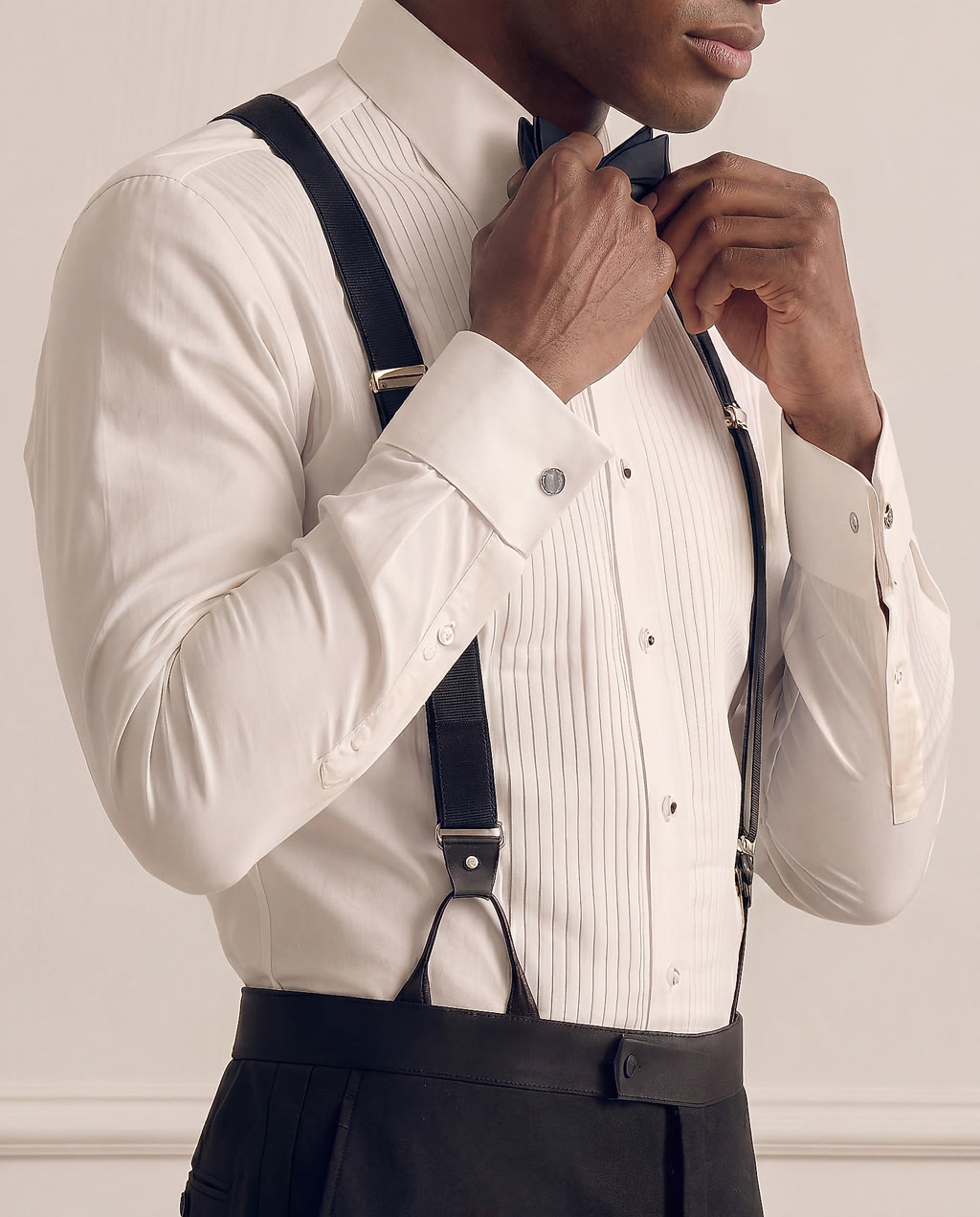
For weddings and festive occasions, the ascot is a calm alternative to the tie. It carries a classic elegance that rests in itself, and it particularly suits lighter suits and ceremonial settings.
House of Vinterberg carries hand-made silk ties, pocket squares and ascots as part of the range, because accessories should not be chosen in isolation. Your personal designer helps set the whole, so colours, materials and proportions match your suit.
How the consultation works
Much of what separates a well-chosen suit from a casual purchase is decided in the conversation, before the first stitch is laid.
The consultation begins with an appointment at the Showroom in Copenhagen. When you arrive, time has been set aside, the cloths are out, and you meet your personal designer. The conversation starts from your situation: the occasion, the wardrobe you already have, and what you want from the purchase. Cloth, cut and details are chosen together, calmly and without haste. You are welcome to bring reference garments or pictures for inspiration.
Made-to-measure means the finished suit starts from you. Measurements, proportions and preferences form the basis, and the process includes a fitting along the way. What you take home is not only a suit, but also the knowledge of why precisely those cloths and that cut were chosen.
You can see our tailor-made suits for men, our prices, or book an appointment at the Showroom when you are ready.
The suit as an investment
A suit is not an expense on the level of everyday clothing. It is a decision about what the wardrobe should do for you in the years ahead.
Care extends its life. The single most important habit is airing. Hang the suit in a ventilated room after wear, so the wool recovers its shape and releases moisture without needing cleaning. Frequent dry cleaning wears the fibres and should be kept to what is necessary. A wide wooden hanger supports the shoulders. Rotating between two or three suits gives each one rest, and they last longer.
Natural cloths such as merino and Virgin Wool regulate temperature, resist creasing and shape themselves to the body over time. A suit chosen calmly is worn differently from one bought in haste.
In short
Start with the occasion and the use. A suit for working life has different requirements from one for a single wedding. Choose the cloth by season and function: merino and Virgin Wool for most of the year, linen for summer. Think accessories in from the start, so tie, pocket square and shirt form a whole. And consider made-to-measure if you want a suit that fits your body and carries more than one occasion.
When you are ready to begin, you can book an appointment at the Showroom and meet your personal designer. The conversation is the first step towards a suit that is built around you.
Read also

Talk it through with us at the Showroom.
Book a no-obligation appointment and get advice that starts from your occasion and your wardrobe.