


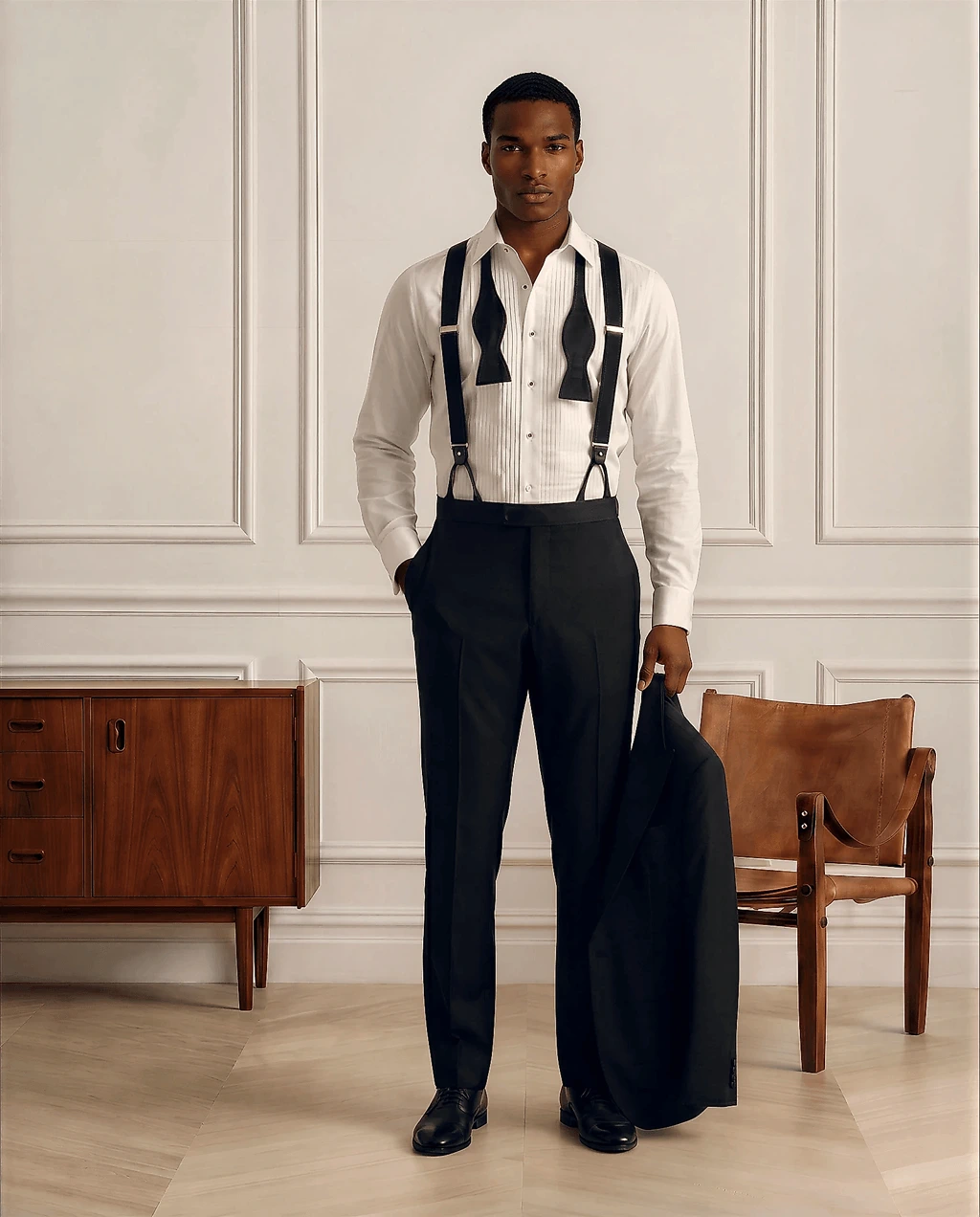
The shirt
Crisp, white and with a pleated front or structured bib. French cuffs open for cufflinks that play against the jacket's satin.


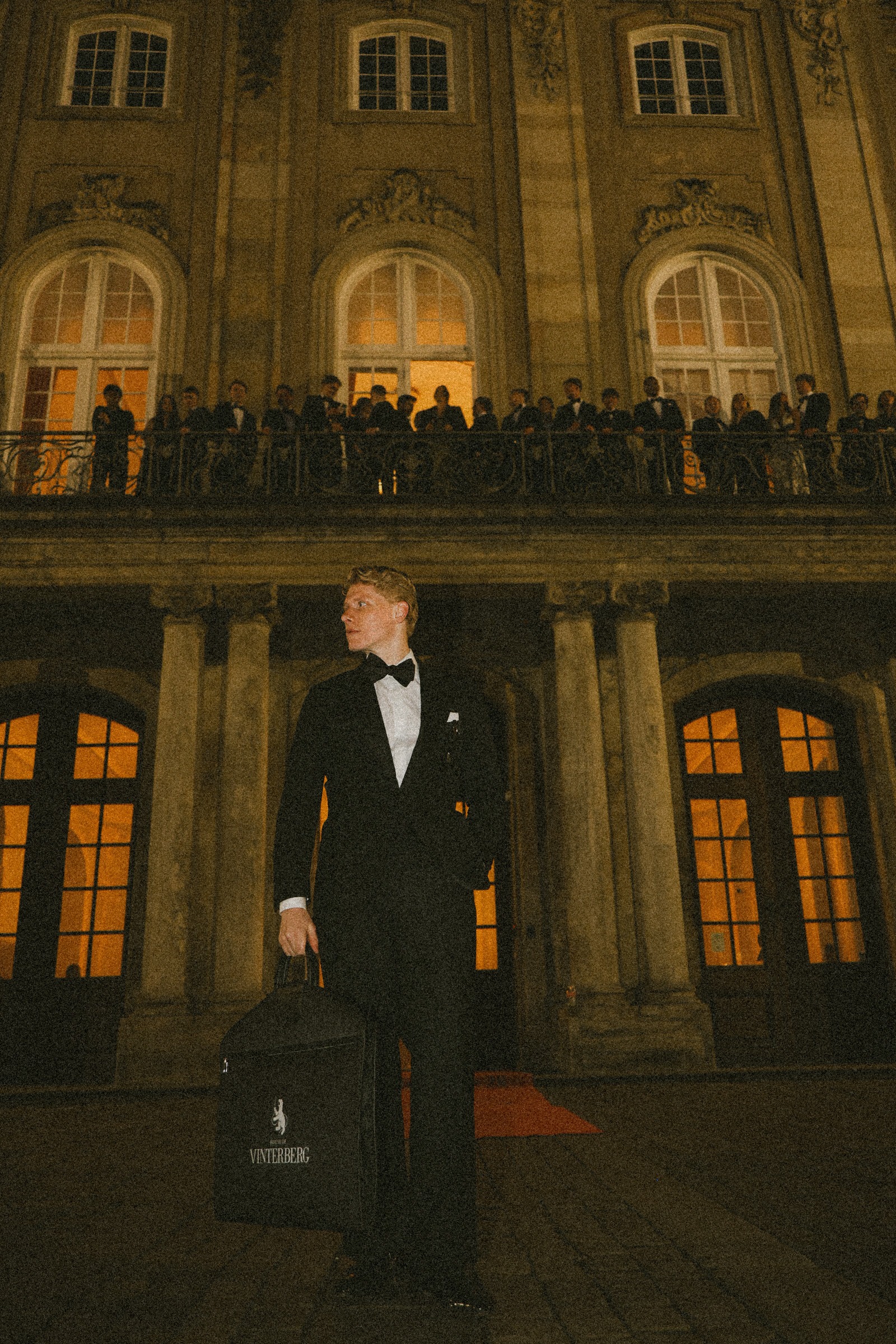
Black tie: when the evening calls for it.
The tuxedo is reserved for moments that deserve something more ceremonial. When, how, and why it still matters.
House of Vinterberg · 24 March 2026
A tuxedo is the traditional evening wear for events with a black-tie dress code. It's the details, not the cut itself, that make it a tuxedo.
The tuxedo is known by its satin. The lapel is faced with satin or silk. The buttons are covered in the same material. A satin stripe, called the galon stripe, runs down the outside of the trousers. The trousers have no belt loops, but side adjusters or buttons for braces.
The traditional combination is a white shirt, bow tie and high-polish black patent shoes. The overall effect is simple, formal and timeless.
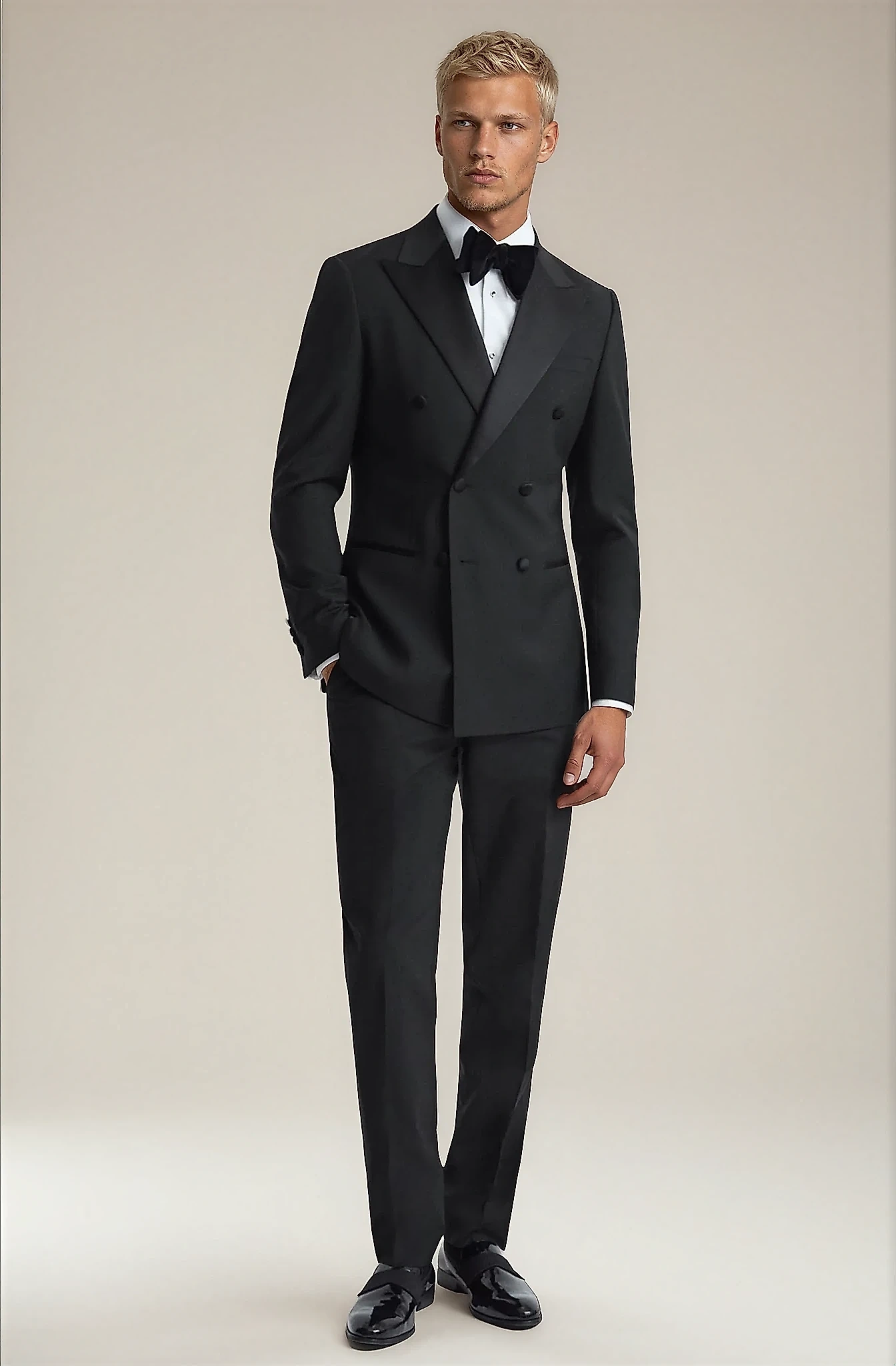
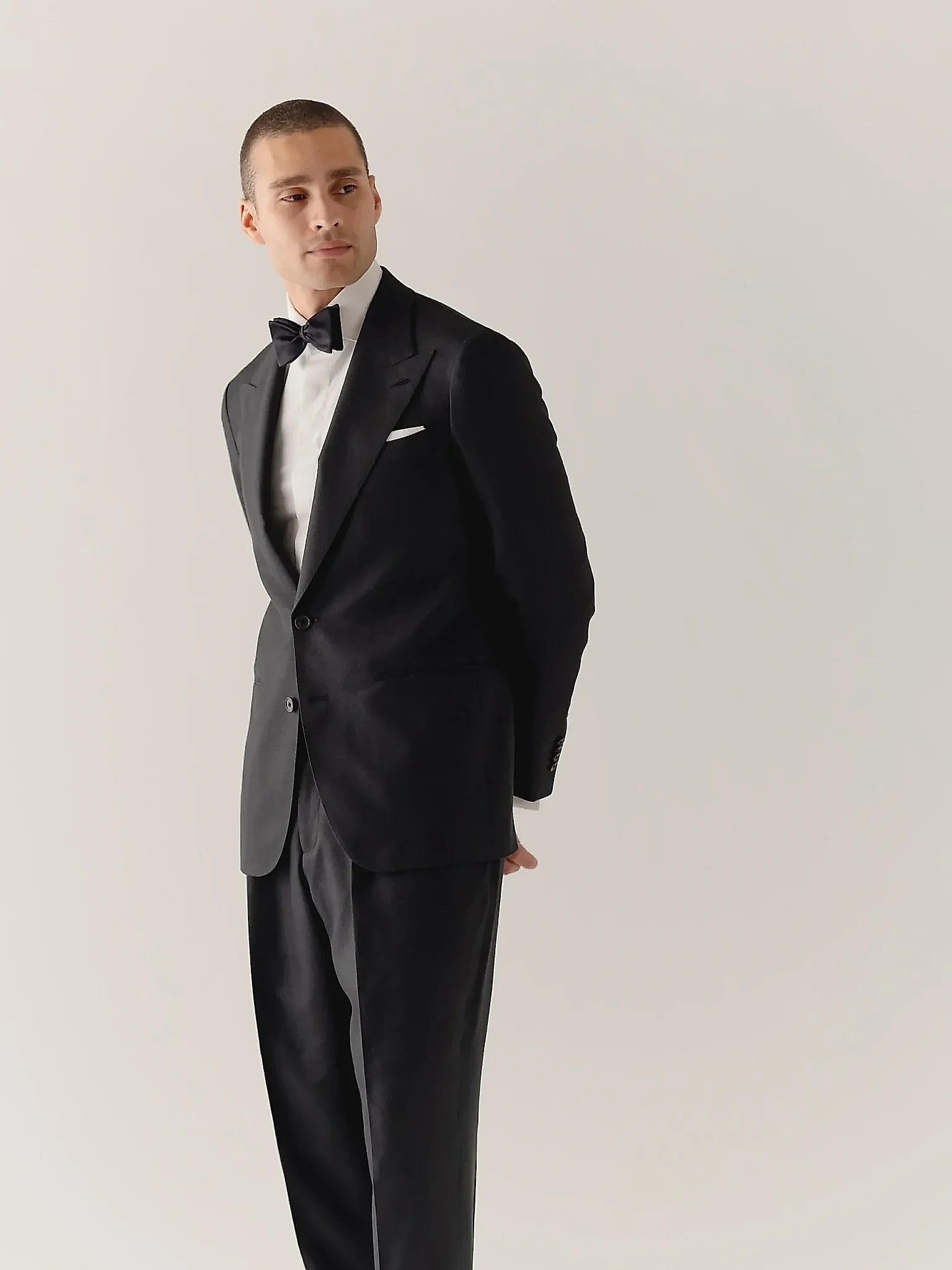
A tuxedo is worn at evening events with a black-tie dress code. This dress code is typically used for formal occasions such as:
In recent years we've seen more couples choose black tie for their wedding, which has reintroduced the tuxedo to a new generation.
Read the Wedding Diary: tuxedo or suit for the big day →At first glance they resemble each other. The differences are in the details.
The two traditional choices. Midnight blue appears deeper under artificial light because it reflects less light. Black is still the most widespread and works for all formal evenings. White tuxedo jackets have become popular for summer weddings, while velvet tuxedo jackets are typically used in the winter months.
The most important detail. The jacket should follow the natural line of the shoulders, and the sleeves should end just above the wrist so a small part of the shirt cuff is visible. The trousers sit at the waist, not on the hips, so both jacket and trousers fall properly.
A well-fitting tuxedo doesn't look styled. It looks correct.
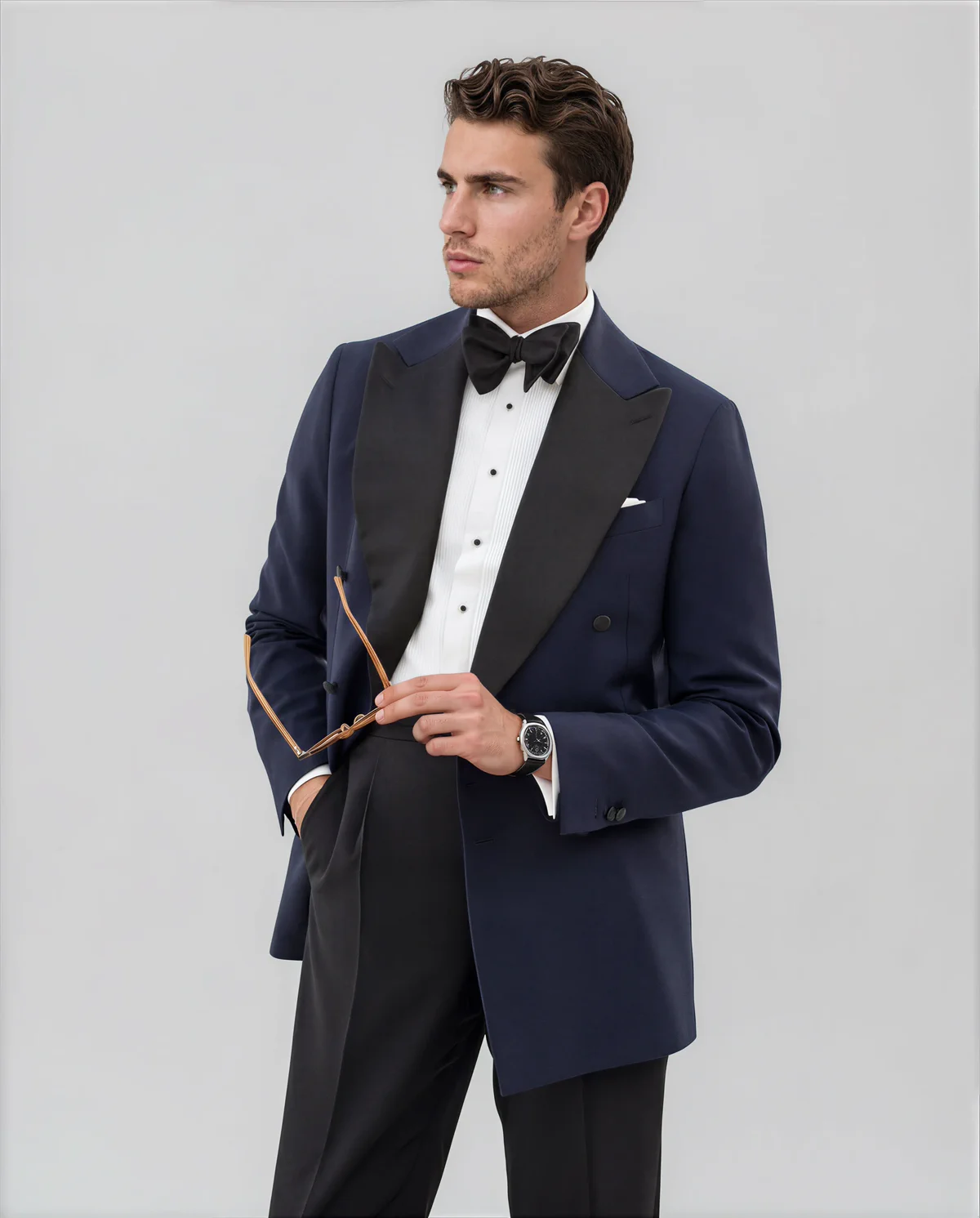
The three pieces that finish the rest of the outfit.
Crisp, white and with a pleated front or structured bib. French cuffs open for cufflinks that play against the jacket's satin.
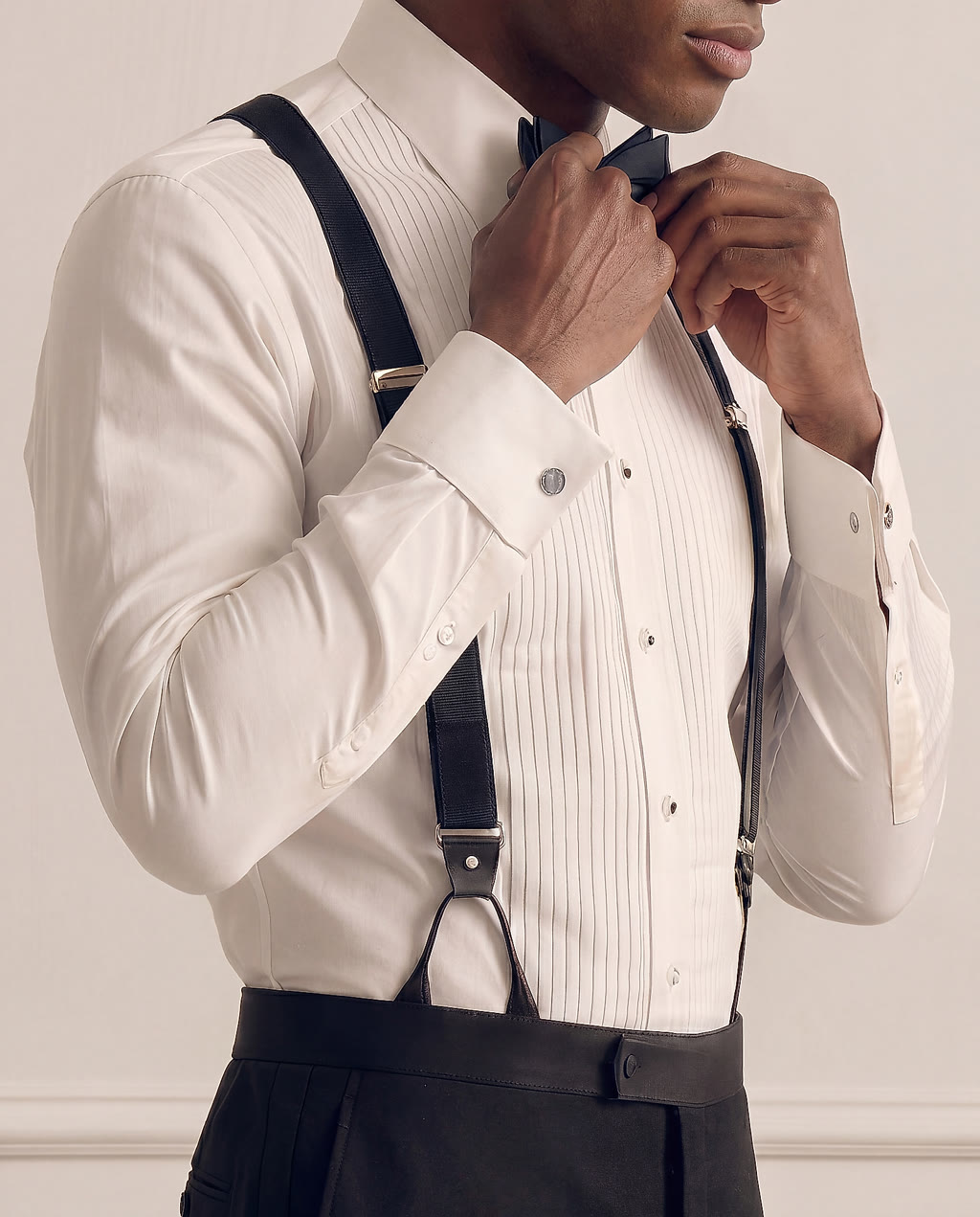
Tie it yourself. The slight imperfection is the whole point. A pre-tied bow tie undersells all the other work you've put into the outfit.
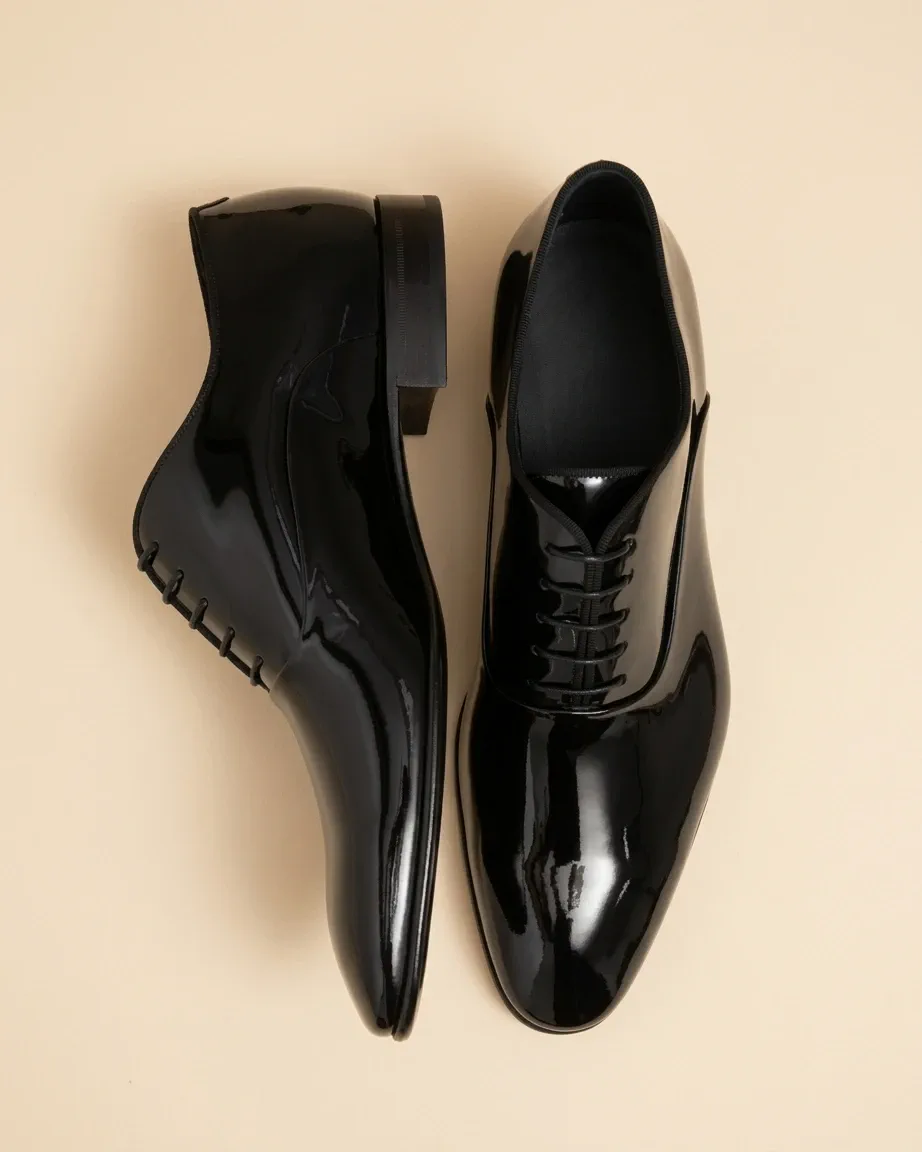
Black patent shoes are the right answer. The shine finish follows the satin's gloss. High-polish black calfskin shoes work for less formal evenings.
Why it still matters
“The tuxedo has survived a century of changing fashion. And though you can personalise some of the details, the tuxedo levels the guests in formal settings.”
Sophus Vinterberg
In a world where clothing changes from season to season, the tuxedo is reassuringly stable. A well-made tuxedo can live in a wardrobe for decades, ready for the evenings that deserve something more formal.
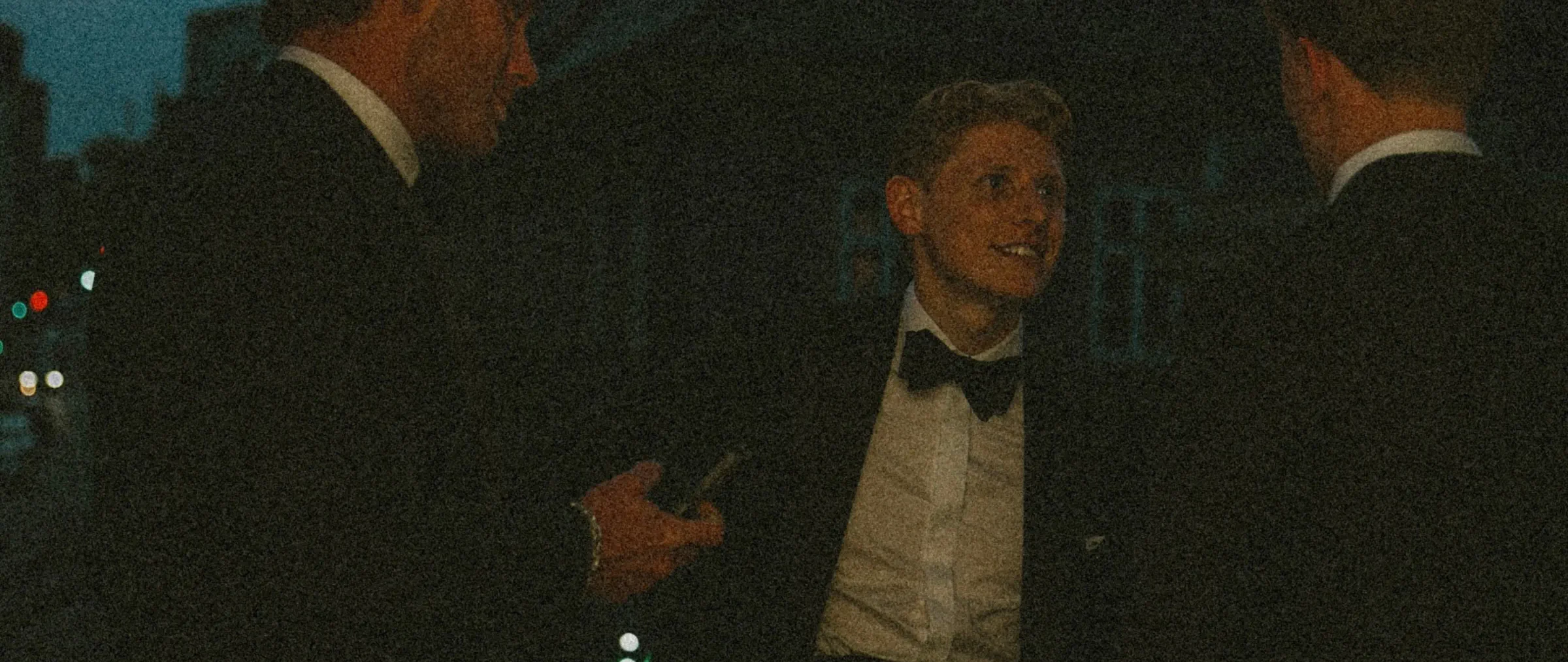
We'll go through material, lapels, buttons and fit. It takes about an hour and a half in our showroom and is no-obligation.
Book a no-obligation appointment